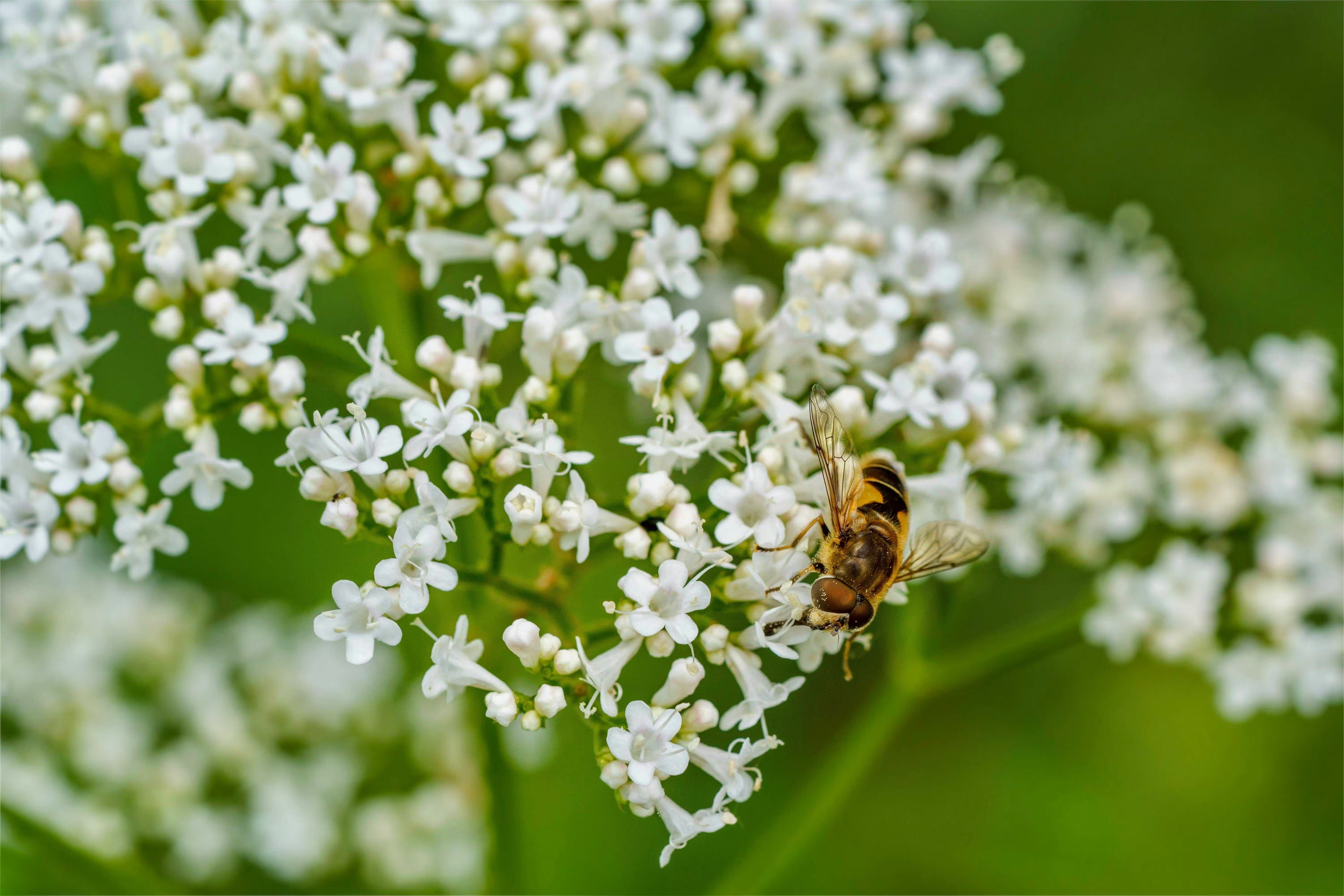
A typical suburban yard, green lawn, a few hybrid roses, a tidy mulched bed, looks full of life. For a bee, it's closer to a food desert.
Turf grass produces no usable pollen or nectar. Hybrid double-flowered roses, bred for visual appeal, often have petals so dense that bees can't reach the pollen. The mulch covers the bare ground where 70 percent of native bee species make their nests.
None of this means your yard is bad. It just means there's room to change it, and the changes don't have to be dramatic. A single container of the right plants on a balcony makes a difference. A small corner of your garden left slightly wild makes a difference. Here's what actually helps.
What bees actually need from plants
Three things, and most people only think about one of them.
Nectar provides energy, carbohydrates that fuel flight and heat generation. Pollen provides protein and fat, essential for feeding larvae. Without adequate pollen, colonies can't raise the next generation. And nesting habitat is something most people never consider at all: without places to nest, even a garden full of flowers can't sustain a population of bees.
Most bee-friendly gardening advice focuses entirely on planting flowers. That's important. But leaving patches of bare, undisturbed soil, keeping hollow stems standing through winter, and tolerating some "mess" in your yard does as much for native bee populations as the plants themselves.
Quick answer: To attract and support bees, plant a variety of flowers that bloom at different times from spring through fall. Prioritize native plants, they co-evolved with local bees and provide the most nutritional pollen. Good choices include coneflower, black-eyed Susan, lavender, borage, anise hyssop, and wild bergamot. Avoid pesticides, even on non-target plants, and leave some bare ground and hollow stems for nesting.
The bloom time gap: why sequence matters
A garden that blooms spectacularly for three weeks in June and then fades is only useful for three weeks. Bees need food from early spring through late fall. The gaps are where colonies struggle.
Early spring is especially critical. Bumblebee queens emerge from winter dormancy hungry and need to feed immediately to start their colonies. Honeybee colonies that made it through winter have depleted their stores and need forage before most ornamental gardens have even broken ground. If all you can do is let your crocuses and dandelions bloom unmowed for a few weeks in March, that matters.
Plan for the full arc of the season:
- Early spring (March–May): crocus, pussy willow, lungwort, chives, dandelion, willow trees
- Late spring to early summer (May–July): lavender, borage, catmint, clover, phacelia, comfrey, allium
- Midsummer (July–August): anise hyssop, bee balm, echinacea, black-eyed Susan, sunflowers, milkweed, mountain mint
- Late summer and fall (August–October): goldenrod, native asters, ironweed, Joe Pye weed, sedum
Goldenrod and native asters deserve special mention. They bloom in late summer and fall when most gardens are done, and they're among the most important late-season food sources for bees building up winter stores. Goldenrod is often wrongly blamed for hay fever (that's ragweed, which blooms at the same time and is wind-pollinated). Goldenrod is insect-pollinated, produces abundant pollen and nectar, and is genuinely one of the best things you can grow for bees.
Native plants versus garden hybrids
Native plants, those that evolved in your region, are almost always more valuable to local bees than garden hybrids. The reasons go beyond sentiment.
Native plants produce pollen that's nutritionally matched to native bees. Some native bee species are so specialized they can only gather pollen from a specific plant family or genus. Introduce a non-native plant and those specialist bees still can't use it, no matter how many flowers it produces.
Hybridization for ornamental purposes often reduces or eliminates pollen and nectar. Double-flowered varieties, any flower that looks overstuffed and pom-pom-like, typically have petals where the pollen-bearing structures should be. They look beautiful. They're useless to bees.
A simple rule: if it looks like something that grew in a field or forest without human intervention, it's probably useful. If it was bred to look like a decoration, verify before relying on it.
The best plants for bees by category
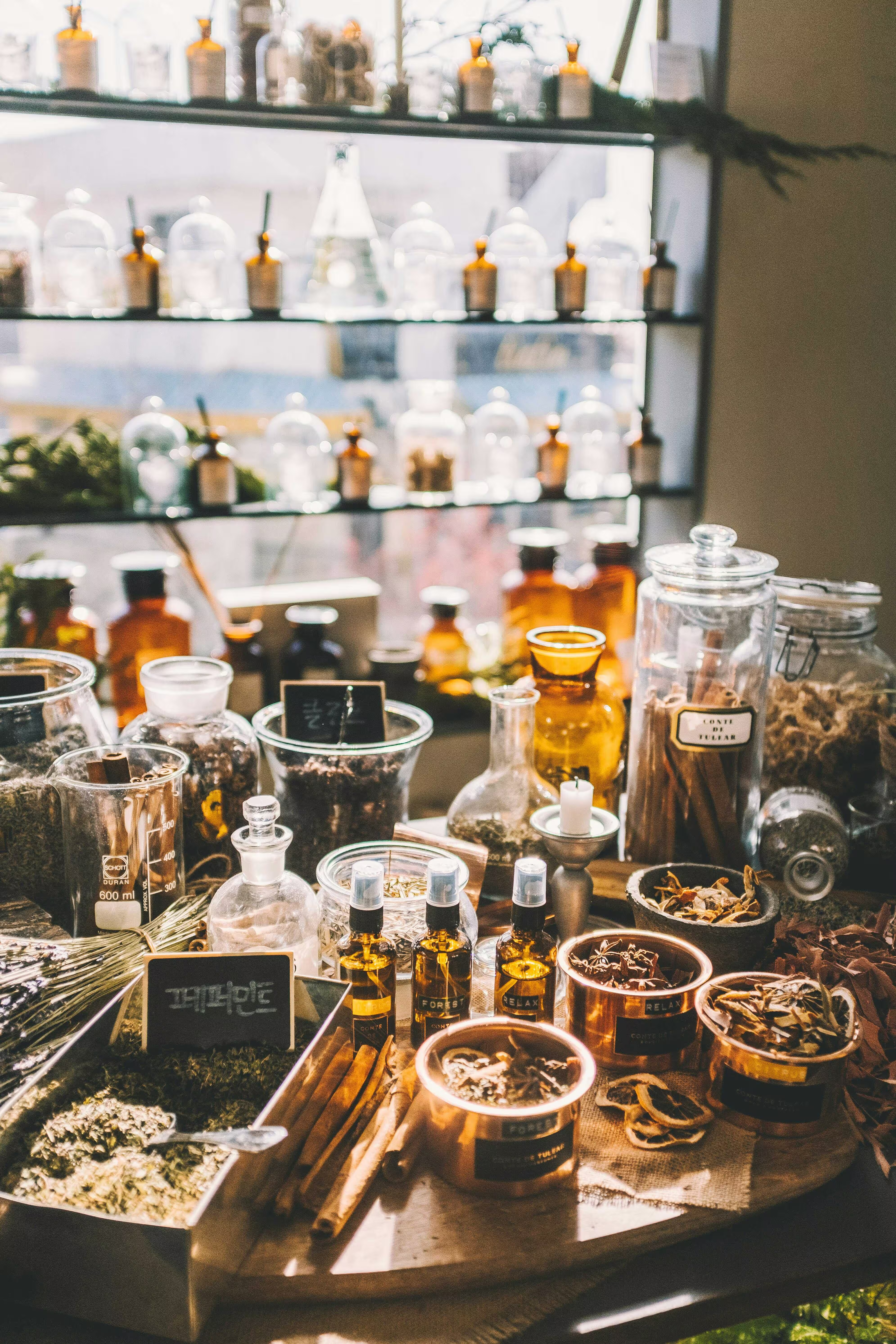
Herbs (easy and highly productive): Lavender, borage, lemon balm, hyssop, thyme, oregano, and anise hyssop are among the highest nectar producers per square foot of any plants you can grow. Borage is particularly notable, it produces nectar continuously throughout the day and re-fills its nectar stores within a couple of hours of a bee visiting. One borage plant in a pot contributes meaningfully.
Native wildflowers (for the Northeast specifically): Purple coneflower (Echinacea), black-eyed Susan (Rudbeckia), wild bergamot (Monarda fistulosa), mountain mint (Pycnanthemum), native sunflowers (Helianthus), Joe Pye weed (Eutrochium), goldenrod (Solidago), and native asters (Symphyotrichum). These are not weedy or unkempt, in a garden setting they read as intentional planting and support an enormous range of bee species.
Trees and shrubs (often overlooked): Flowering trees produce enormous quantities of pollen and nectar and support pollinators at a scale that individual garden plants can't match. Apple, cherry, and plum bloom early when bees are hungry. Linden (basswood) blooms in midsummer and produces nectar so abundantly that beekeepers call the linden flow one of the best of the season. Pussy willow is one of the first pollen sources of spring and worth planting for that alone.
What to stop doing
Some common gardening habits hurt bees more than people realize.
Using pesticides, including "organic" ones. Pyrethrin, spinosad, and neem oil are all marketed as natural or organic, and all are harmful to bees when applied to flowering plants. If you must use any pesticide, apply it in the evening when bees are not foraging, and never apply to open flowers.
Removing "weeds." Dandelion, clover, and goldenrod are among the most valuable bee plants in a residential landscape. Dandelion blooms in early spring when almost nothing else is available. White clover is so productive that beekeepers call a good clover flow one of the best honey sources of the year. The impulse to have a perfectly uniform lawn is the single most damaging thing most homeowners do to local bee populations.
Mulching every square inch of soil. Roughly 70 percent of native bee species nest in the ground. They need bare, undisturbed, preferably south-facing patches of soil. A thick layer of wood chip mulch makes those sites inaccessible. Leave some areas bare, especially in sunny spots.
Deadheading and cutting back everything in fall. Many native bees and other beneficial insects overwinter in hollow plant stems. Leaving standing dried stalks and seed heads through winter provides nest sites and shelter, and the seeds feed birds too. Cut stems back in spring, not fall.
Small spaces and containers
No yard is not a reason to give up. A window box with lavender, borage, and sweet alyssum provides real forage. A patio pot with anise hyssop and catmint does something. Even on an apartment balcony, a few well-chosen plants contribute to the forage landscape.
The cumulative effect of many small plantings across a neighborhood matters. Bees forage over wide areas. Your container of lavender is part of a larger landscape that includes everyone else's plantings, the roadside clovers, the park, the vacant lot with the goldenrod. Every addition counts.
What you're contributing to
Here in South Coast Massachusetts, the wildflower honey from Nettie's bees reflects exactly what's blooming at any given time in the region. When someone plants goldenrod or clover in their yard, they're contributing to the forage landscape that makes that honey possible. The flavor of wildflower honey from one year to the next tells the story of what was growing nearby. More clover, borage, and goldenrod in local gardens means richer, more complex local honey.
But that's a small reason to plant. The larger reason is that native bees in the Northeast are under real pressure. They need habitat. The good news is that habitat, in this case, is also beautiful.
Frequently asked questions
What plants attract bees to your garden?
The best bee-attracting plants include lavender, borage, anise hyssop, catmint, phacelia, coneflower, black-eyed Susan, native asters, goldenrod, clover, linden, and most herbs when in flower. Native wildflowers are generally more valuable than ornamental hybrids, especially double-flowered varieties.
What flowers do bees like most?
Bees favor flowers that are open-faced and accessible, with abundant nectar and pollen. Lavender, borage, anise hyssop, phacelia, and clovers are consistently among the highest-visited plants in studies tracking bee foraging behavior. Native wildflowers matched to local bee species are also especially valuable.
Are native plants better for bees than garden flowers?
Generally yes, especially for native bee species. Native plants co-evolved with local bees and produce pollen nutritionally suited to them. Many specialist native bees can only use pollen from specific plant families, so non-native plants offer them nothing regardless of how many flowers they produce.
What should I avoid planting if I want to help bees?
Avoid double-flowered hybrid varieties, which have petals where pollen-bearing structures should be. Also avoid plants treated with systemic insecticides (often sold in garden centers with insecticide already in the plant tissue). Any pesticide use on or near flowering plants can harm bees.
Do bees prefer certain colors of flowers?
Bees see differently than humans, they can see ultraviolet light but not red. They're generally most attracted to blue, violet, and yellow flowers, and to flowers with UV patterns that guide them to nectar (which appear as "nectar guides" under UV light). However, the nectar and pollen reward matters more than color.
How do I make a small garden bee-friendly?
Focus on high-yield plants in small space: lavender, borage, anise hyssop, and catmint are all compact and extremely productive. Choose plants with different bloom times so something is available from early spring through fall. If you have any ground-level soil, leave a small patch bare and undisturbed for ground-nesting native bees.