Fire Cider: What It Is and How to Make It
Fire cider is the kind of remedy that makes you sit up straight. A spoonful is sour, hot, garlicky and sweet all at once, and it clears your sinuses before you’ve swallowed. Herbalists across New England make a batch every fall, and many families have their own version.
Quick answer: Fire cider is a folk tonic made by steeping chopped horseradish, garlic, onion, ginger and hot peppers, often with citrus, turmeric and herbs, in apple cider vinegar for three to four weeks, then straining it and stirring in honey to taste. It was popularized by herbalist Rosemary Gladstar in the 1970s. People take a spoonful a day in cold season or use it in salad dressings and marinades. It’s a traditional remedy, not a proven treatment.
Where did fire cider come from?
Vinegar-and-honey tonics are ancient; the Greeks called them oxymel. The modern recipe comes from Rosemary Gladstar, a well-known American herbalist, who began teaching it at the California School of Herbal Studies in the late 1970s and shared it freely in her books. Herbalists everywhere adapted it.
Fire cider has a Massachusetts chapter, too. In 2012, a Pittsfield company, Shire City Herbals, trademarked the name “Fire Cider” and asked other herbalists to stop using it. Herbalists, including Gladstar, fought back, arguing the name had long been generic. In 2019, Judge Mark Mastroianni of the U.S. District Court in Massachusetts agreed, ruling that “fire cider” was a generic term before the trademark was registered. Anyone may call their brew fire cider.
What goes in fire cider?
A classic base, for a quart jar:
- 1/2 cup grated fresh horseradish root
- 1/2 cup chopped onion
- 1/4 cup chopped garlic
- 1/4 cup grated fresh ginger
- 1 or 2 hot peppers, chopped (jalapeño or cayenne)
- Zest and juice of 1 orange or lemon
- Optional: a tablespoon of grated turmeric root, a few sprigs of rosemary or thyme, a few peppercorns
- Raw apple cider vinegar to cover, about 2 to 3 cups
- Raw honey to taste, usually 1/4 to 1/2 cup
How do you make fire cider?
- Chop or grate everything and pack it into a clean quart jar.
- Pour in apple cider vinegar until everything is covered by at least an inch.
- Put parchment or wax paper under a metal lid (vinegar corrodes metal), or use a plastic lid.
- Let it sit in a cool, dark place for three to four weeks. Shake it every day or two.
- Strain through a cheesecloth, squeezing out every drop.
- Stir in honey to taste. Start with 1/4 cup; the honey balances the heat.
- Bottle and store in the refrigerator, where it keeps for months.
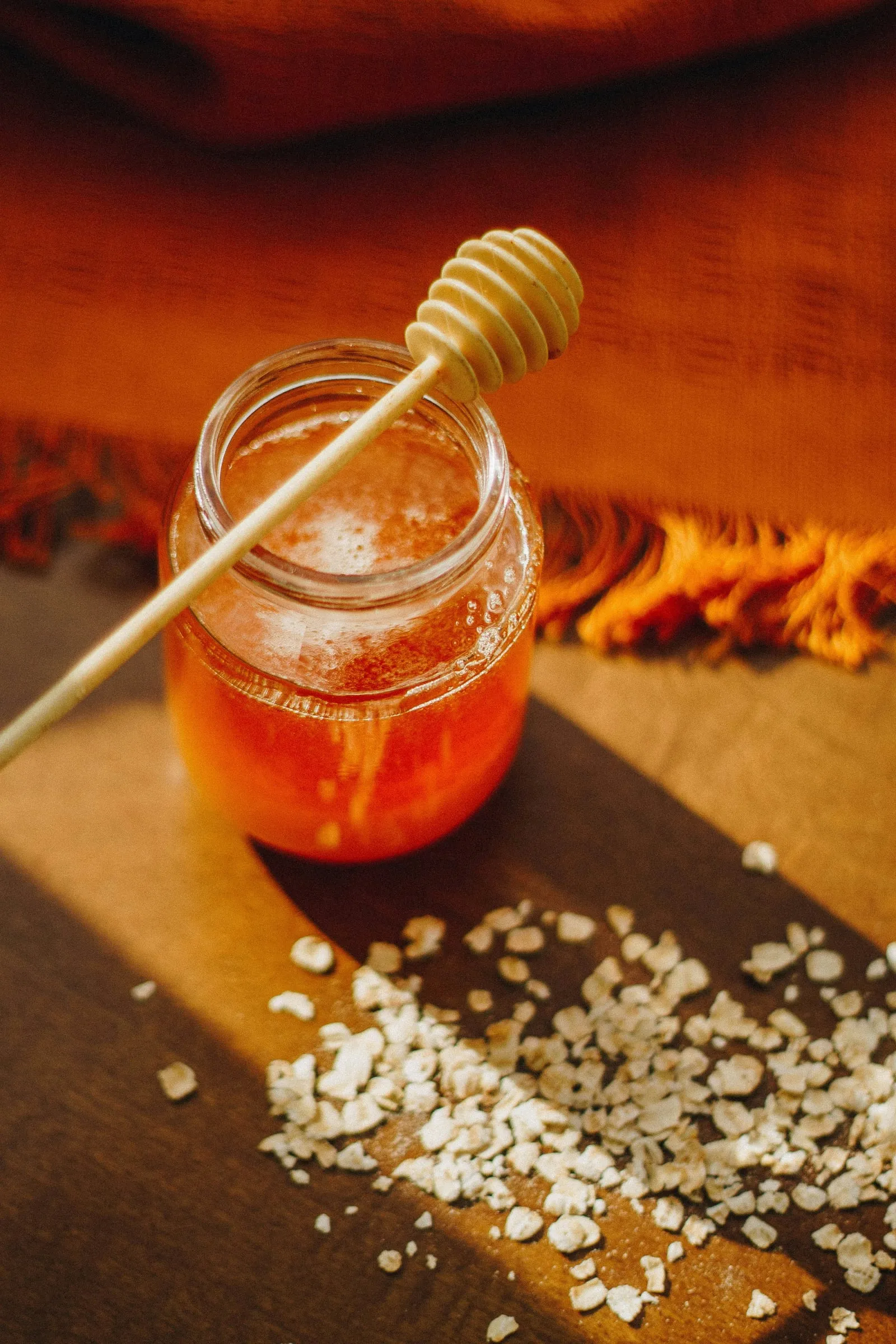
Use a good raw honey; it’s the one ingredient that rounds out the burn. A darker honey like buckwheat stands up well to the strong flavors.
How do people use fire cider?
- A daily spoonful through the cold months, straight or in a little water or juice.
- At the first scratchy throat, a spoonful a few times a day, traditionally.
- In the kitchen: whisk it into a vinaigrette, splash it into soups, marinate chicken or use it in a Bloody Mary.
Does fire cider work?
There’s no research on fire cider itself. Its ingredients have been studied separately with mixed results: garlic and ginger for colds, honey for coughs, horseradish and hot peppers for clearing sinuses. Honey has the best evidence: it’s been shown to ease coughs in children over 1 and in adults. See raw honey for colds and sore throats. Think of fire cider as a traditional, flavorful tonic rather than a medicine.
Who should be careful with fire cider?
- People with acid reflux, ulcers or sensitive stomachs, since it’s very acidic and spicy. Dilute it or skip it.
- People on blood thinners, because garlic and ginger in large amounts may add to the effect. Ask your doctor.
- Babies under 1, because of the honey. Never give it to infants.
- Teeth: vinegar can wear tooth enamel. Dilute it, and rinse with water afterward.
Frequently asked questions
How long does fire cider last?
Strained and refrigerated, it keeps for several months, often up to a year. If it grows mold or smells off, throw it away.
Do I have to add honey to fire cider?
No, but honey balances the heat and sourness and makes it far easier to take. Most recipes add it after straining.
Can I make fire cider with dried ingredients?
You can, using dried garlic, ginger and peppers, but fresh roots give much more flavor and heat. Horseradish is best fresh.
How much fire cider should I take?
Traditionally, about a tablespoon a day in cold season, diluted if it’s too strong. It’s a food-based tonic, not a dose-measured medicine.
Is fire cider the same as an oxymel?
It’s a kind of oxymel: a preparation of vinegar and honey, here with lots of pungent herbs and roots.
Sources
- Gladstar R. Rosemary Gladstar’s Medicinal Herbs: A Beginner’s Guide. Storey Publishing, 2012.
- Shire City Herbals, Inc. v. Blue, et al., U.S. District Court for the District of Massachusetts, 2019.
- Abuelgasim H et al. “Effectiveness of honey for symptomatic relief in upper respiratory tract infections.” BMJ Evidence-Based Medicine, 2021. PubMed
These statements have not been evaluated by the Food and Drug Administration. This product is not intended to diagnose, treat, cure, or prevent any disease.
A jar of fire cider steeping on the counter is a sure sign of fall in an herbalist’s kitchen. Make a batch with a good local honey, and see whose version your family likes best.