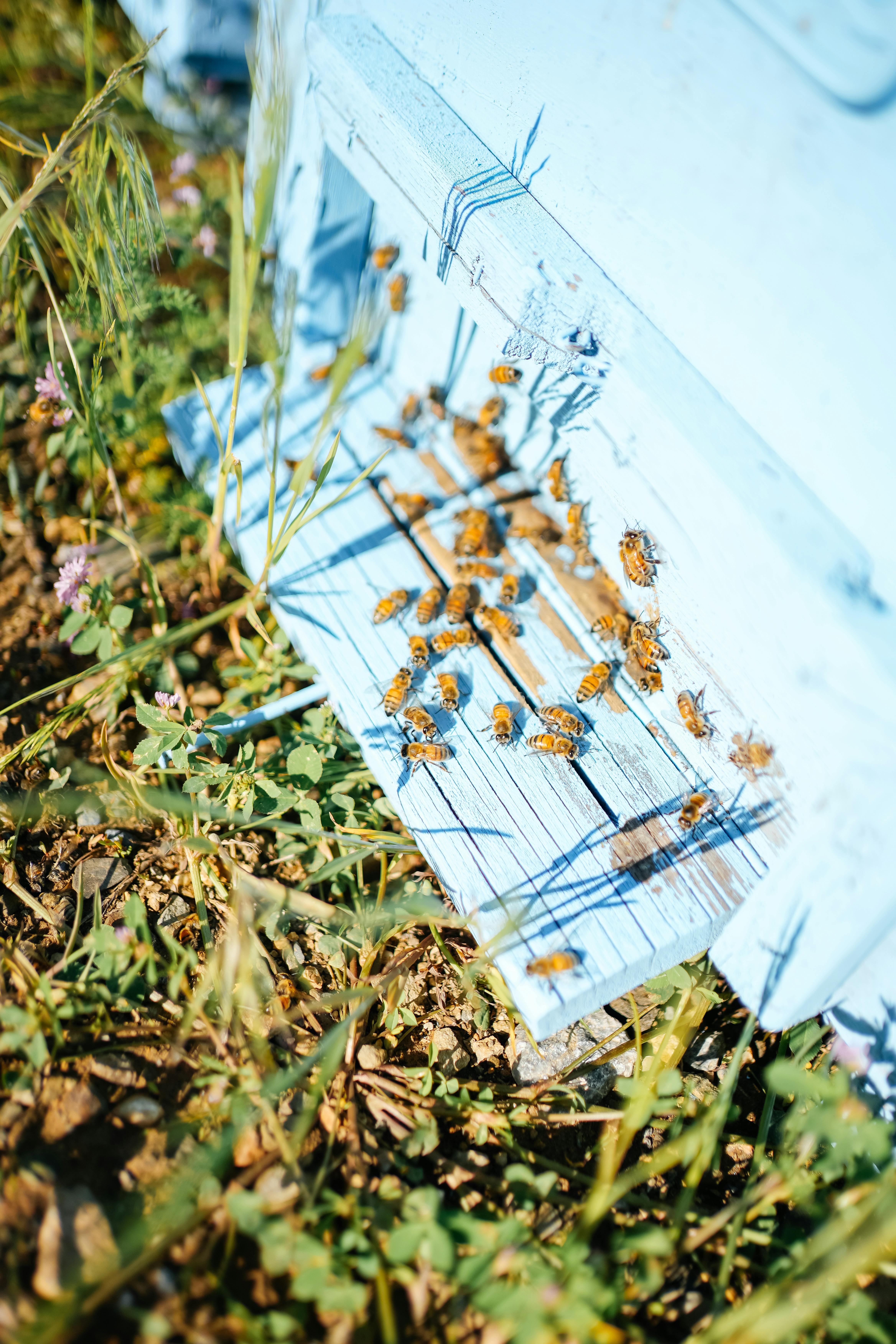
If you've been stung by a honeybee, or you think you have, you're not alone. Honeybees sting around one million people a year in the United States. Not many of them die. In fact, fewer people die from honeybee stings than from lightning strikes or dogs.
That's because honeybee stings, while painful, are not usually dangerous for people without severe allergies to bee venom. But they are unpleasant, and they can be prevented.
Here's what you need to know about honeybee behavior, why they sting, and how to avoid being stung in the first place.
Why honeybees sting
Honeybees sting as a last resort. Unlike wasps and hornets, which can be aggressive and will sting for territorial reasons, honeybees are gentle. They do not want to sting you.
When a honeybee stings, she dies. The stinger is barbed, designed to stay in the skin of an intruder. When the bee pulls away, her abdomen is torn open, and she dies within minutes.
From an evolutionary standpoint, a honeybee stinging is an act of absolute desperation. The colony is under threat, and she sacrifices herself to protect it.
Honeybees sting for one reason: to defend the hive.
Quick answer: Honeybees sting as a last resort to defend their colony. They will not sting you unless they feel the hive is threatened or they are directly crushed. Most honeybee stings happen when someone steps on a bee, handles a beekeeper without permission, or swats at a bee near the hive. Gentle behavior around bees prevents virtually all stings.
When honeybees are most defensive
Honeybees become more defensive under certain conditions:
When defending the hive: A beekeeper opening a hive, or a person getting too close to the entrance, can trigger a defensive response. The guard bees at the entrance are primed to protect. If you move slowly and gently, they may investigate but not sting. If you swat or run, they will chase and sting.
When they're sick or stressed: A diseased colony, one that's being robbed by other bees, or one that's been disturbed repeatedly is more defensive than a healthy, well-tended colony. Stressed bees sting more readily.
When pheromones are high: If one bee stings you, she releases an alarm pheromone. This chemical signal attracts other bees and makes them more likely to sting. So if you're stung once and you panic and swat, you're likely to be stung multiple times. Staying calm is a real strategy.
When defending food: Late in the season, when nectar is scarce and colonies are storing honey for winter, honeybees are more protective of their food stores. A beekeeper robbing honey from a hive will encounter more defensive bees than one just doing a routine inspection in summer.
When foraging: Foraging honeybees away from the hive are very gentle. A honeybee on a flower is interested in nectar, not you. Even if you brush against her or nearly step on her while gardening, she will try to fly away, not sting.
How to avoid being stung
Don't swat at bees. This is the single biggest factor. A bee flying near you is not trying to sting you. She's lost, or curious, or just passing through. If you swat at her, you crush her, which triggers the alarm pheromone and makes nearby bees defensive. Let her fly away. Do not swat.
If a bee lands on you, stay still. She's investigating you, not preparing to sting. If you move suddenly, she may feel threatened. Stay calm, let her crawl around for a few seconds, and she'll fly off. Stinging takes effort and is fatal to her. She will avoid it if she can.
Don't wear dark colors near a hive. Honeybees see the world in ultraviolet, and they perceive dark colors as threats. Wear light colors if you're going to be near a hive or in a space where lots of honeybees are foraging.
Avoid floral scents and perfumes. Perfume mimics the scent of flowers, which can confuse foraging bees. If you're going to be in an area with many bees, skip the fragrance.
Avoid sudden movements. Bees are attuned to vibration and sudden motion. Smooth, slow movements don't trigger defensiveness. Jerky movements and loud noises do.
Don't approach a hive directly. If you're near a beekeeper's hive, stand to the side, not in front of the entrance. Don't put your shadow over the entrance. Bees leaving and returning to the hive are in a state of heightened alertness. Give them space.
What to do if you're stung
If you get stung:
Remove the stinger. Honeybee stingers are barbed and will stay embedded in your skin. Use a credit card edge or your fingernail to scrape it off. Don't pinch it, which can squeeze more venom in.
Wash with soap and water. This removes bacteria and reduces infection risk.
Apply ice. This reduces swelling and pain.
Take an antihistamine or pain reliever if needed. Over-the-counter pain medication and antihistamines help.
Do not scratch. This is hard, because it itches. But scratching increases the itch and can lead to infection.
Most honeybee stings resolve within a few hours to a day. Some people have a larger local reaction that lasts several days. Unless you're experiencing signs of a severe allergic reaction (difficulty breathing, severe swelling, dizziness), the sting is uncomfortable but not dangerous.
When a honeybee sting is actually dangerous
Severe allergic reactions to bee venom, called anaphylaxis, are rare. They happen in roughly 0.08 percent of people who are stung. Symptoms include difficulty breathing, severe swelling of the face or throat, rapid pulse, weakness, and dizziness. If you experience these symptoms after a sting, seek emergency medical care immediately.
If you know you're allergic to bee venom, carry an epinephrine auto-injector (EpiPen) and inform people around you.
Why honeybees are not wasps or hornets
Wasps and hornets are predators and scavengers. They sting for food, for territory, and sometimes just because they feel like it. They're aggressive insects.
Honeybees are different. They're not interested in you or your food. They're focused entirely on the hive, on nectar, and on pollen. A foraging honeybee ignores you completely unless you give her a reason not to.
This fundamental difference in temperament is why honeybees can coexist peacefully with humans. The relationship is possible because they are genuinely gentle.
Frequently asked questions
Do all female honeybees have stingers?
Yes. All female honeybees (workers and the queen) have stingers. Drones (males) do not. The stinger is a modified egg-laying apparatus, so only females have it.
Does a honeybee die after it stings?
Yes. The barbed stinger tears the bee's abdomen when she pulls away, and she dies within minutes. This is why honeybees only sting as an absolute last resort.
How much venom does a honeybee sting inject?
A honeybee sting injects roughly 0.1 milligrams of venom. For perspective, the lethal dose for humans is estimated around 10 to 15 milligrams per kilogram of body weight, injected directly into the bloodstream. A single sting is far below that.
Can you become immune to honeybee venom?
Sort of. Repeated exposure to bee venom can lead to a decreased reaction in some people. Beekeepers often report that their bee stings hurt less and swell less over time. But this is not true immunity; it's a reduced inflammatory response.
What's the difference between a honeybee sting and a wasp sting?
Honeybees have barbed stingers and die after stinging. Wasps have smooth stingers and can sting multiple times. Honeybees are passive and defensive only; wasps are aggressive and territorial. A honeybee sting is usually a one-time accident. Wasp stings are often deliberately aggressive.


.jpg)
.jpg)