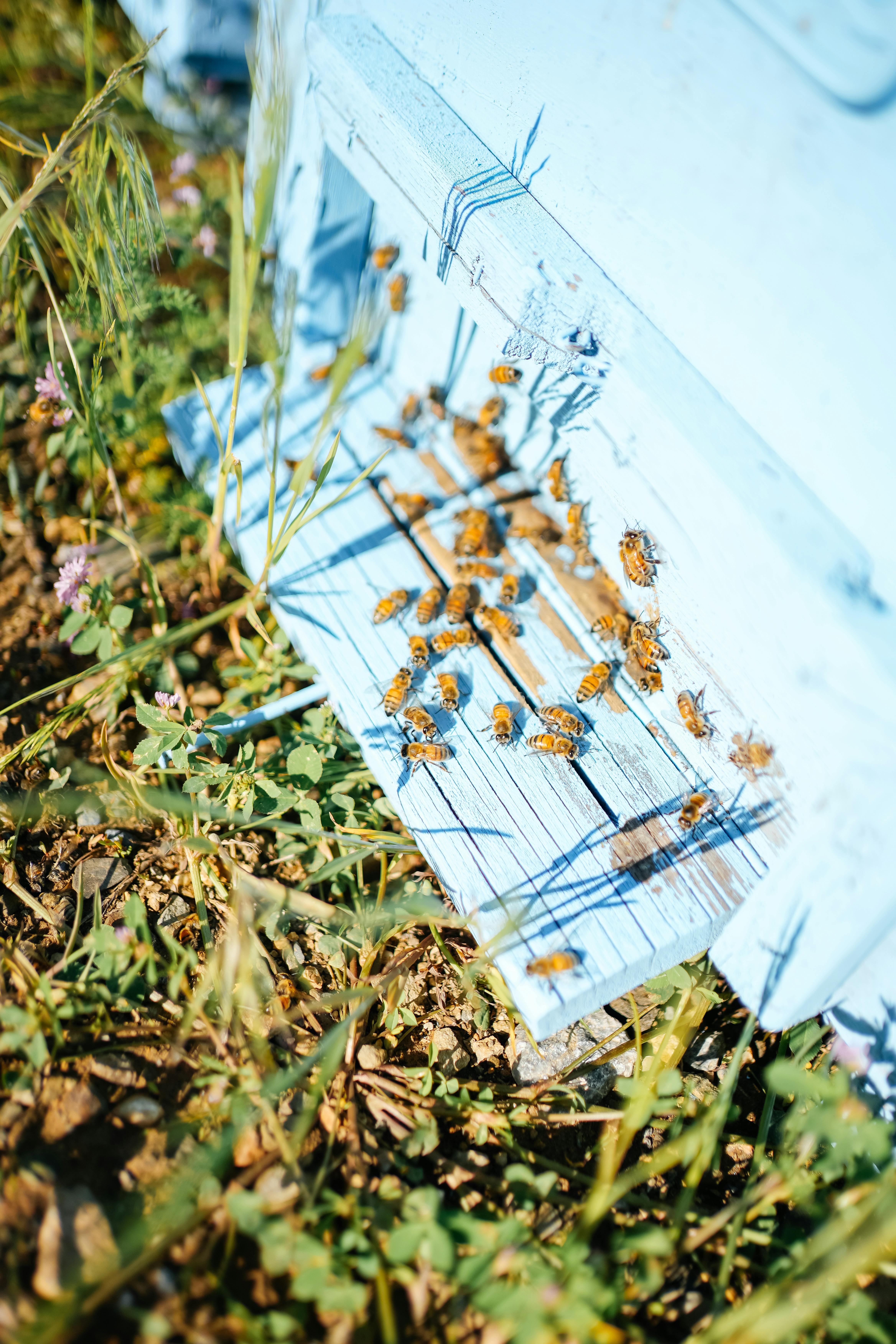
In parts of Italy and Spain, you don't serve cheese without honey. The combination is as natural as bread and butter, salty and sweet, pungent and floral, sharp and smooth. The two things offset each other in a way that makes both taste better than they do alone.
Most people in the US have tasted honey on a brie at some point and liked it. Fewer have thought about what would happen if they tried different honeys with different cheeses, and why some combinations work better than others.
Here's the logic, and then the specific pairings.
The principle: contrast and complement
Good food pairings work in one of two directions. Either the two things share flavor compounds that amplify each other (complement), or they contrast in ways that balance each other and make both more interesting.
Honey and cheese mostly work on contrast. Cheese tends to be salty, complex, sometimes funky. Honey is sweet, aromatic, floral or earthy depending on the variety. The sweetness cuts through the salt. The floral notes offset the sharpness. The thick texture of honey gives the more crumbly or firm texture of cheese something to push against.
The specific honey you choose changes which of those contrasts you're working with, and by how much.
Quick answer: The best honey pairings for cheese follow a contrast principle: mild, sweet honeys like clover pair best with strong or pungent cheeses like blue cheese or aged gorgonzola. Bold, earthy honeys like buckwheat pair with sharp aged cheeses. Delicate floral honeys work with fresh, mild cheeses like fresh chèvre or ricotta.
Pairing guide by honey variety
| Honey Variety | Best Cheese Pairings | Why It Works |
|---|---|---|
| Wildflower | Brie, camembert, fresh chèvre, burrata | Complex floral notes complement creamy, mild dairy without overpowering it |
| Clover | Mild cheddar, fontina, gruyère | Clean sweetness lets the cheese's character lead; honey adds a finishing note |
| Buckwheat | Aged cheddar, manchego, pecorino, blue cheese, gorgonzola | The bold, earthy depth stands up to strong flavors without getting lost |
| Orange blossom | Cream cheese, mascarpone, ricotta, fresh mozzarella | Light citrus notes amplify fresh dairy brightness |
A few pairings worth calling out specifically:
Buckwheat honey and blue cheese is one of the most frequently cited great cheese pairings in traditional European food culture, and for good reason. The saltiness and funk of the blue is met head-on by the malty depth of the buckwheat. Neither gets lost. Each makes the other bolder.
Wildflower honey and fresh chèvre is the soft, gentle version of this idea. The cheese is mild and slightly tangy, the wildflower honey is complex without being intense, and the two settle together without competition. Add a crusty piece of sourdough and a glass of white wine and you have a lunch that doesn't require explanation.
Clover honey and a good aged cheddar is the familiar combination that works almost every time. The cheddar's sharpness needs something sweet and clean to balance it. Clover honey provides exactly that without muddying the cheese's flavor.
Honey on a charcuterie board
Honey belongs on a charcuterie board for the same reason it belongs with cheese: it acts as a bridge between contrasting flavors. Prosciutto and honey is an Italian combination as old as the product. The saltiness of cured meat and the sweetness of honey offset each other cleanly.
Beyond the classic prosciutto pairing: a mild honey works with most cured meats. Buckwheat with a strong copa or soppressata. Wildflower with a delicate bresaola.
Practically speaking, put honey in a small ramekin or pot on the board rather than drizzling it directly. It's easier for people to take what they want, and it keeps the honey from running over everything else on the board.
Honey with other foods
Nuts: Walnuts and honey are a natural combination, the slight bitterness of walnuts and the sweetness of honey balance each other. Almonds with a floral honey. Pecans with clover. The pairing works because nuts have enough substance to stand up to honey's intensity.
Fresh stone fruit: Sliced ripe peaches with wildflower honey is a summer combination that needs nothing else. Figs with buckwheat honey is autumn in a bite. The fruit's own sweetness combines with the honey's to create something richer than either alone.
Yogurt: This is where raw honey's properties matter. Drizzle it raw over plain, full-fat yogurt. Don't stir it in completely, let there be pockets of honey through the yogurt. The contrast of the yogurt's tartness against the honey's sweetness is the point.
Bread and butter: Simple, but the quality of the honey matters here more than anywhere else. A good wildflower or buckwheat honey on sourdough toast with good butter is one of the most satisfying things you can eat.
How to build a honey-centered board
If you want to make honey the focal point rather than an afterthought:
Choose three cheeses in a range from mild to bold, something soft and fresh (brie or chèvre), something medium (a good cheddar or gouda), something strong (an aged manchego or a blue). Pick two honey varieties that contrast, a mild wildflower and a bold buckwheat, for instance. Add a charcuterie element or two, a handful of walnuts, some dried apricots or fresh figs if they're in season, and crackers or bread.
Arrange the honeys in small pots so guests can taste them side by side. Most people have never tried two honeys against the same cheese at once. It's consistently one of the more educational (and delicious) things you can do at a table without much effort.
One combination to try if you try nothing else
A piece of aged blue cheese, gorgonzola dolce or Rogue Creamery Crater Lake Blue if you can find it, with a spoonful of buckwheat honey alongside. Let the honey and the cheese meet in the same bite.
Once you've had that combination, you'll stop thinking of honey as just a spread. You'll start thinking of it as an ingredient with as much personality as anything else on the board.
Frequently asked questions
What cheese goes best with honey?
The pairing depends on the honey. Mild honeys like clover work with medium cheeses like cheddar or gruyère. Bold honeys like buckwheat pair well with strong cheeses like aged manchego, pecorino, or blue cheese. Fresh, mild honeys work beautifully with soft cheeses like brie, chèvre, or burrata. The general principle: stronger cheese calls for a bolder honey.
Does honey go with blue cheese?
Yes, and it's one of the best combinations. The saltiness and funk of blue cheese pairs remarkably well with a bold honey like buckwheat. The sweetness cuts through the intensity of the cheese. It's a classic combination in traditional European food culture for good reason.
What kind of honey is best for a cheese board?
Having two varieties gives guests the best experience: a mild honey (clover or wildflower) and a bold honey (buckwheat). This lets people pair to their preference and try both against the same cheese. If you're only putting one honey on a board, wildflower is the most versatile.
What foods pair well with honey?
Beyond cheese: cured meats (prosciutto especially), walnuts and most nuts, fresh stone fruit like peaches and figs, plain yogurt, sourdough with good butter, and anything savory where sweetness would create a useful contrast, roasted vegetables, pork, and salad dressings.
What honey goes with prosciutto or charcuterie?
Mild to medium honeys work well. Wildflower or clover with prosciutto is the classic combination. For stronger cured meats like coppa or soppressata, a buckwheat honey stands up better. Avoid very strongly flavored honeys with delicate meats where the honey would overpower the meat's flavor.
Can you cook with honey and cheese together?
Yes. Honey is a classic glaze for halloumi (a grilling cheese), drizzled over ricotta on crostini, and used in baked brie. In savory baking, honey combined with cheese and herbs in a galette or flatbread creates exactly the sweet-salty balance the cheese board is working with.