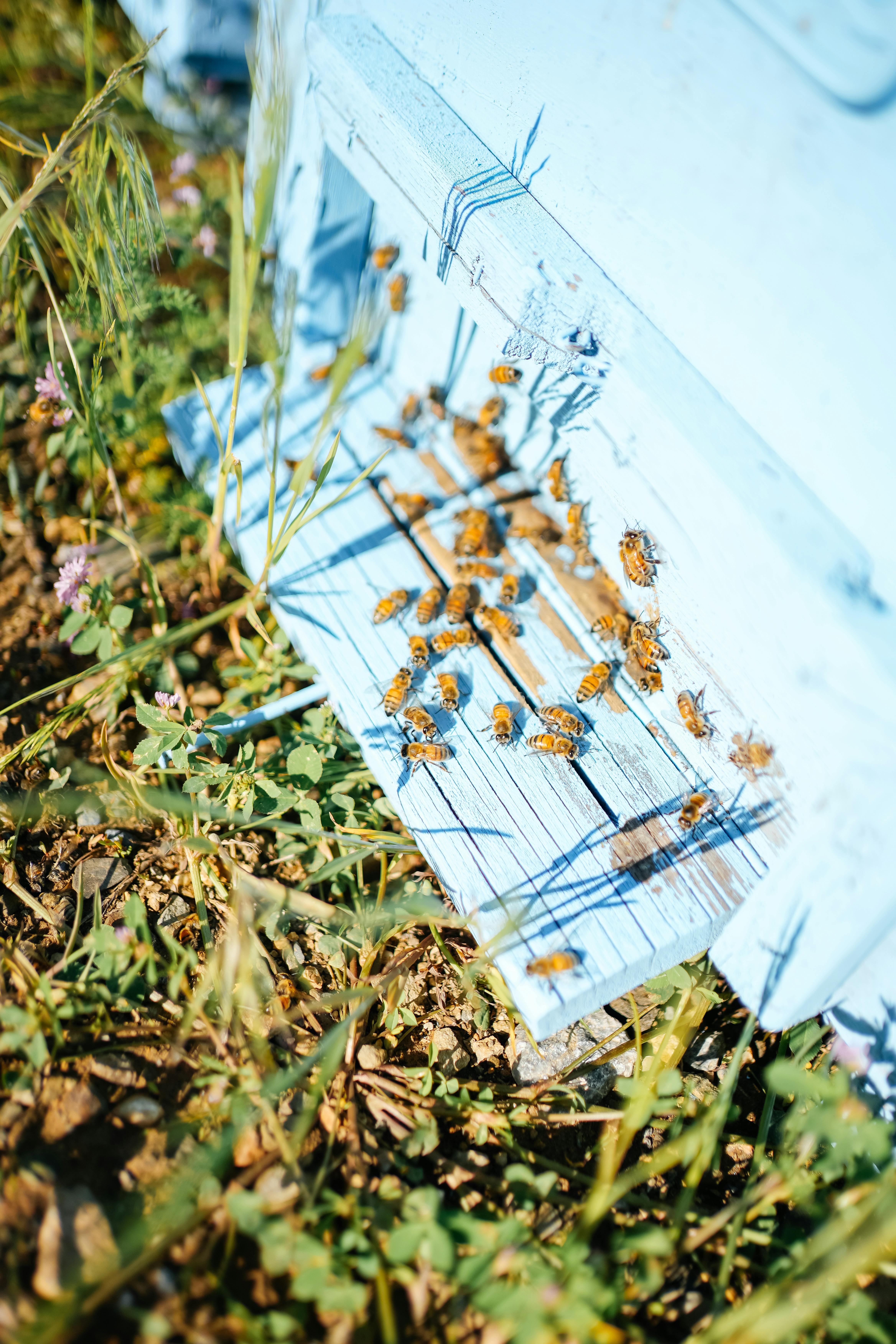
Beekeeping, like farming, is a seasonal rhythm. Each month brings different tasks, different challenges, and different rewards.
For someone who's never kept bees, this rhythm can seem mysterious. When do you open the hive? When do you harvest honey? When do you feed the bees? When do you let them alone?
Here's a beekeeping calendar showing what a beekeeper does in each season, and why each task matters.
Spring (March to May)
Early spring: Check on overwintered colonies. Open the hive on a warm day (above 50 degrees Fahrenheit) to do a visual inspection. Is the queen alive? Are there resources? Signs of disease?
Mid-spring: The first nectar flow begins. Flowers are blooming. Bees are foraging actively. Add a second box (called a "super") on top of the main hive body so the colony has room to build comb and store nectar.
Late spring: Monitor for swarming. A healthy colony that's not given enough space will prepare to split and swarm. If you see swarm preparations, you can prevent it by splitting the colony yourself or adding space.
Why it matters: Spring is when you set the colony up for success. A beekeeper's attention in spring determines how much honey the colony will collect and whether it will survive into fall.
Summer (June to August)
Early summer: The main nectar flow is underway. Bees are bringing in nectar at their peak. The queen is laying at maximum rate, building the colony's population before the end of summer.
Mid-summer: Continue monitoring for disease. Treat for varroa mites if your operation uses treatments. Keep an eye on water availability (bees need water, especially on hot days).
Late summer: Start thinking about when to harvest honey. Not all honey can be harvested. You must leave enough for the colony to eat through winter. A typical hive needs 60 to 90 pounds of honey stored by October.
Why it matters: Summer is when the colony builds and forages. This is where the honey comes from. A beekeeper's role in summer is to provide space and prevent disasters.
Fall (September to November)
Early fall: Harvest surplus honey from the super. Carefully. You must leave plenty for the colony. Pull frames of sealed (capped) honey, leaving frames that are still being filled and any honey in the bottom hive body.
Mid-fall: Reduce the entrance to the hive to make it easier for guard bees to defend against robbing (other bees trying to steal honey stores). As nectar flow slows, starvation pressure increases.
Late fall: Stop opening the hive. The colony is preparing for winter. Disruption now is dangerous. Treat for mites if you haven't already. Plan for winter feeding if the honey stores look insufficient.
Why it matters: Fall is the dividing line between summer and winter. What you do in fall determines whether the colony survives.
Winter (December to February)
Early winter: Leave the colony alone. Do not open the hive. The bees have formed their cluster and are in survival mode. Opening breaks the cluster and kills bees.
Mid-winter: Monitor from outside. Listen at the entrance. A buzzing sound means the cluster is still active. Silence is concerning. Check the weight of the hive or place your hand on the side; if it's warm, the colony is alive.
Late winter: Prepare for spring. Clean equipment. Repair and paint hive boxes. Prep new comb for spring if you're planning to expand.
Why it matters: Winter is about survival. If the colony makes it to spring, you've succeeded. Many don't.
The beekeeper's frame of mind by season
Spring: Cautious optimism. Did the colony survive? Is the queen working? You're thinking long-term about the whole season.
Summer: Caretaking. Daily checks, regular monitoring, responding to problems as they appear. You're trying not to mess things up.
Fall: Hard decisions. Harvest or not? Feed or not? Treat for mites? You're balancing your desires against the colony's needs.
Winter: Patience and prayer. You've done what you can. Now you wait and hope.
What a beekeeper actually does: the honest version
Most of the time, a beekeeper doesn't do much. A healthy colony mostly handles itself.
You open the hive every week or two during the active season. You look for: eggs (sign of a healthy queen), capped brood (developing bees), pollen, honey stores, and signs of disease like spotty brood or unusual smell. You take a few minutes to assess, then you close the hive and leave them alone.
You might add a super when the colony is full, or split a colony if it's preparing to swarm. You harvest honey when the frames are full and capped. You monitor for disease and treat if necessary.
That's it. Most of the time, good beekeeping is about not interfering.
The two approaches to beekeeping (and how they differ)
Industrial beekeeping treats colonies as production units. The goal is to maximize honey yield. Bees that don't produce are culled. Hives that don't survive winter are replaced. The beekeeper is managing for output.
Small-scale, sustainable beekeeping (which is Nettie's approach) treats colonies as individual living systems. The goal is a healthy colony that survives long-term and produces honey as a by-product of health. The beekeeper manages for colony longevity and health, not just for yield.
These approaches lead to different decisions. An industrial beekeeper might take 80 percent of the honey, leaving 20 percent for the bees and supplemental feeding. A small-scale beekeeper might take 30 percent, leaving 70 percent for the colony's natural health and survival.
Both approaches produce honey. But the honey tastes different. The bees live differently. The land is managed differently.
Frequently asked questions
How much time does beekeeping take?
In the active season (spring through fall), roughly 2 to 4 hours per hive per month for routine monitoring. More during honey harvest. Winter is mostly dormant. Full-time beekeepers manage dozens or hundreds of hives. Small-scale beekeepers keep one to five hives as a hobby.
Can you keep bees in the city?
Yes, in most places. Zoning laws vary, but many urban areas allow beekeeping. Bees are gentle and don't require large spaces. An urban roof or backyard is plenty.
When do bees make honey?
Mostly in summer. Spring and fall, they're building population or preparing for winter. Summer is when the plants are in full bloom and bees are foraging at peak capacity. That's when nectar becomes honey.
What do you do with the bees at the end of the season?
Nothing. The bees live in the hive year-round. They cluster together in winter and emerge in spring. You just leave them alone and make sure they have enough honey to eat.


.jpg)
.jpg)