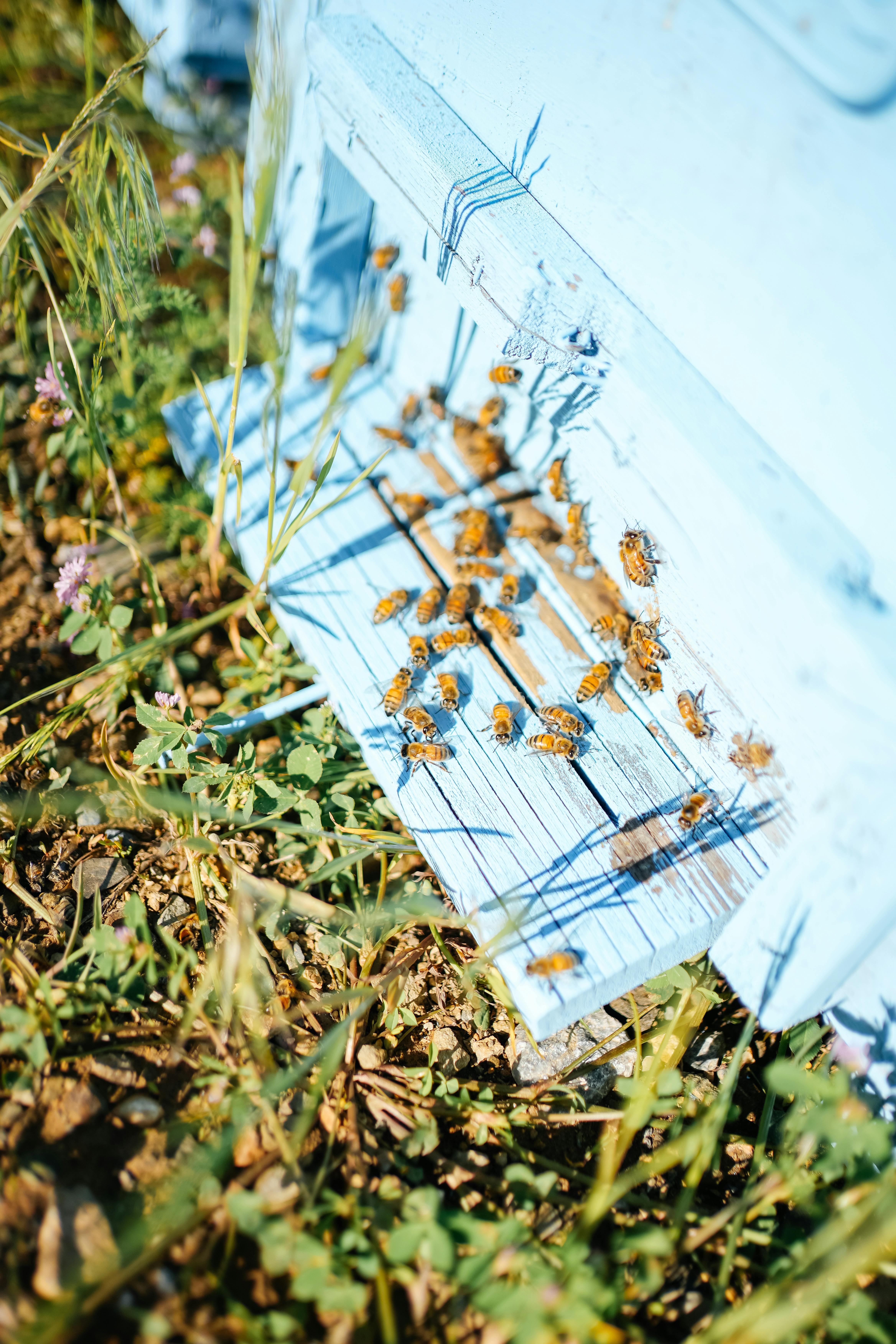
Every spring and fall, millions of people reach for tissues and over-the-counter medications to combat the sneezing, itching, and congestion of seasonal allergies. Meanwhile, in farmers markets and natural food stores across the country, jars of local honey bear labels suggesting they might offer relief from these very symptoms. This popular belief—that consuming local raw honey can help alleviate seasonal allergies—has persisted for generations.
But does scientific evidence support this sweet remedy? Or is it simply a case of wishful thinking about a delicious natural product? The answer, as with many natural approaches to health, contains nuances worth exploring.
Understanding Seasonal Allergies: The Basics
What Causes Seasonal Allergies?
Seasonal allergies, also known as allergic rhinitis or hay fever, occur when your immune system overreacts to airborne substances that are typically harmless. For most seasonal allergy sufferers, the primary culprits are pollen from trees, grasses, and weeds.
When these allergenic particles enter your nose, eyes, or lungs, your immune system mistakenly identifies them as dangerous invaders. In response, it releases chemicals like histamine, which trigger inflammation and the familiar symptoms of seasonal allergies: sneezing, runny nose, itchy eyes, and congestion.
Key differences exist between airborne pollen allergies and food allergies, although both involve immune system responses. While food allergies typically react to proteins consumed and digested, seasonal allergies respond to airborne particles and can develop or worsen over time with repeated exposure to specific triggers.
How the "Local Honey Cure" Theory Started
The idea that local honey might help with seasonal allergies is rooted in the theory of immunological tolerance. The theory goes something like this: honey produced by bees in your local area contains small amounts of local pollen. When you consume this honey, you're ingesting tiny doses of pollen, which could theoretically help your immune system build tolerance to these local allergens—similar to how allergy shots work.
On the surface, this reasoning seems logical. Allergy immunotherapy (both allergy shots and sublingual tablets) does work by exposing people to gradually increasing amounts of allergens, helping the immune system develop tolerance over time.
However, there's an important distinction between how allergen immunotherapy is carefully designed and how consuming local honey would actually work.
What Does the Research Actually Show?
The Limited Evidence Behind the "Local Honey" Claim
Despite the popularity of the local honey remedy, scientific evidence does not support it as an effective treatment for seasonal allergies. Here's what research has found:
The University of Connecticut Study (2011): One of the most frequently cited studies looked at whether local honey helped patients with seasonal allergies. The study divided participants into three groups: one receiving local honey, one receiving non-local honey, and one receiving placebo. The result? All three groups showed improvement in symptoms over time, but local honey was no more effective than non-local honey or placebo.
Why This Matters: The improvement across all groups, including placebo, highlights the placebo effect's significant power in allergy management. It also suggests that if someone feels better after consuming local honey, it may be because they expect it to work—not because of any specific properties of the honey itself.
The American Academy of Allergy, Asthma & Immunology Consensus: Major medical organizations have reviewed the evidence and found insufficient scientific support for using honey as an allergy treatment. While they don't dismiss honey as harmful, they acknowledge it's not proven effective for this purpose.
Pollen Content in Honey: Here's another important point: the types and amounts of pollen in honey vary significantly. The pollen that causes allergies (wind-pollinated pollen from trees, grasses, and weeds) is actually a small or negligible component of most honey. Honey is made from bee-pollinated flowers, which produce large, sticky pollen designed to attach to bees—not to float through the air into your sinuses. The pollen you're allergic to is usually quite different from what's in local honey.
Why Shouldn't You Expect Local Honey to Cure Allergies?
Several factors explain why local honey doesn't work like allergy immunotherapy:
Dose and Consistency: Allergen immunotherapy uses precise, controlled doses of specific allergens that increase gradually over time. Local honey contains variable and typically very small amounts of pollen, making it impossible to achieve the therapeutic dosing required for immunological tolerance.
Allergen Identification: Immunotherapy targets specific allergens you've been tested to react to. Local honey is a complex mixture with an unpredictable pollen profile. You may not be allergic to the specific pollens it contains.
Digestive Breakdown: Even if honey did contain the right allergens in the right amounts, consuming them orally means they're largely broken down by stomach acid and digestive enzymes before your immune system encounters them. This is fundamentally different from the direct airway exposure that causes seasonal allergies or the specific delivery methods used in allergy treatments.
Timing and Duration: Effective immunotherapy involves a multi-year commitment with regular dosing. Eating honey sporadically throughout the season doesn't replicate this structure.
What About Other Honey Benefits?
While scientific evidence doesn't support honey as an allergy treatment, raw honey does have legitimate health benefits worth mentioning:
Cough Suppressant: Honey has been shown in research to be effective for suppressing coughs, particularly in children. If allergies trigger a cough, honey might provide some relief through this mechanism—just not by treating the allergy itself.
Antioxidants and Enzymes: Raw honey, especially from wildflower and other varied sources, contains antioxidants and enzymes that are lost in processed honey. These compounds support overall wellness, though they're not allergy-specific.
Nutritional Value: Honey provides natural sugars, trace minerals, and other nutrients. It's a genuinely nourishing food—just not a cure for allergies.
Traditional Use: Across many cultures, honey has been valued for generations as a soothing, restorative food. Even if the allergy-cure claim isn't scientifically supported, honey's role in traditional wellness practices remains meaningful.
So What Should You Actually Do About Seasonal Allergies?
If you're struggling with seasonal allergies, here's what evidence-based approaches look like:
Talk to an Allergist: A board-certified allergist can test you to identify your specific triggers and recommend treatments tailored to your situation.
Consider Proven Treatments: Antihistamines, decongestants, nasal corticosteroids, and allergy immunotherapy (when appropriate) have strong scientific evidence behind them. If over-the-counter options aren't helping, prescription treatments may be worth exploring.
Try Environmental Controls: Keeping windows closed during high pollen counts, using HEPA filters, and showering after being outside can reduce allergen exposure.
Embrace Honey for What It Is: Enjoy local raw honey for its genuine benefits—as a nourishing food, a soothing throat remedy for coughs, and as a way to support your local beekeepers. Just don't count on it to treat your allergies.
The Takeaway: Separating Myth From Reality
The belief that local honey cures seasonal allergies is one of those myths that feels like it should be true. It's an appealing idea: a natural, delicious solution to a common problem, rooted in a theory that almost makes sense. But when we look at what the research actually shows, the evidence doesn't support it.
This doesn't mean local honey isn't valuable. Raw honey from local beekeepers is a genuinely nourishing food, rich in enzymes, antioxidants, and nutrients lost in commercial processing. It supports local agriculture and the bees that are essential to our food system. It's a meaningful choice for your health and your community.
It's just not an allergy cure.
If you're an allergy sufferer looking for relief, the path forward involves working with healthcare professionals, exploring proven treatments, and managing your environment. If you're a honey lover, enjoy it for what it truly is: a delicious, nourishing gift from the bees—one that happens to come from beekeepers you can know and trust.


.jpg)
.jpg)