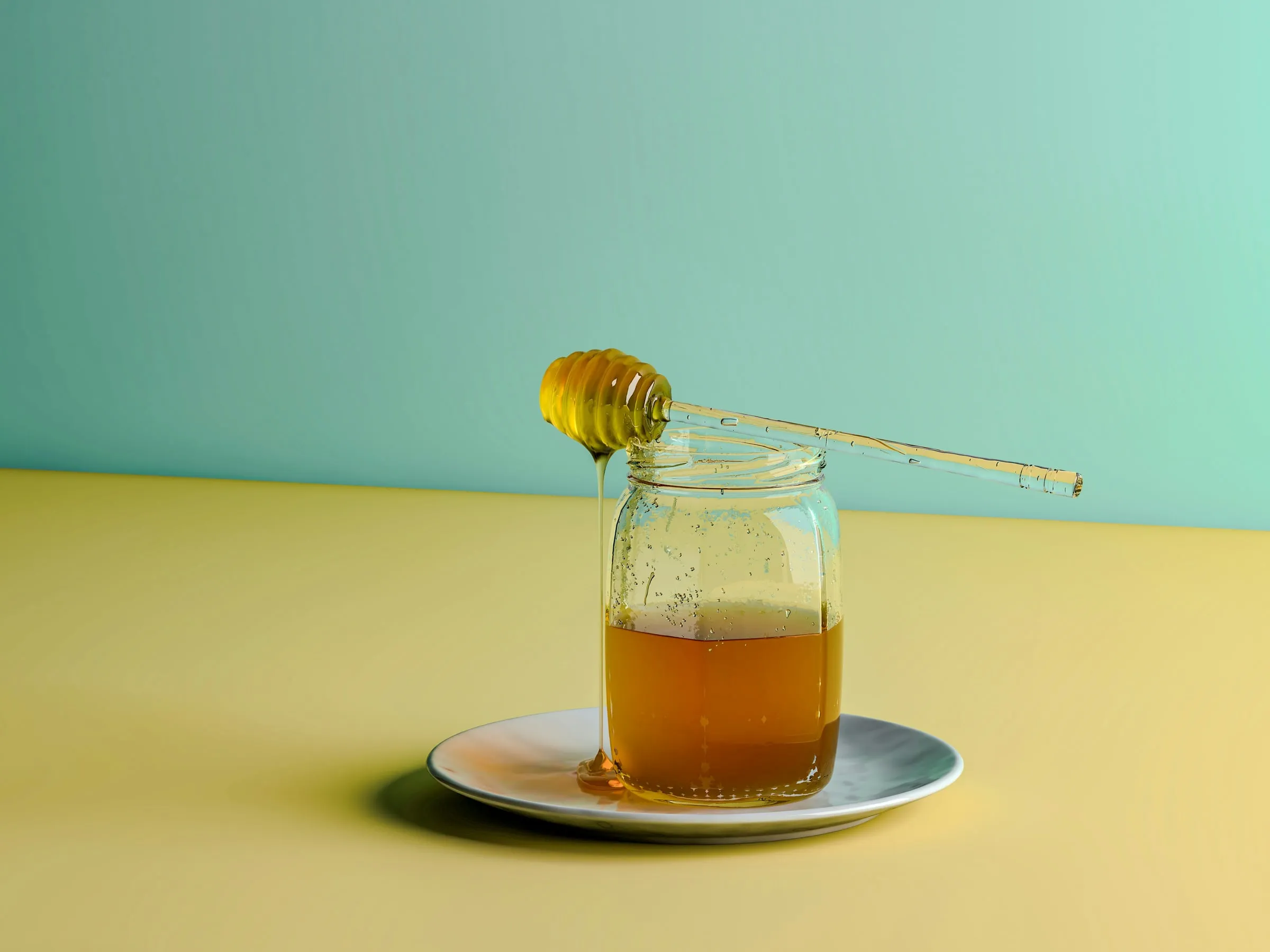
Wildflower Honey vs Clover Honey: What's the Difference?
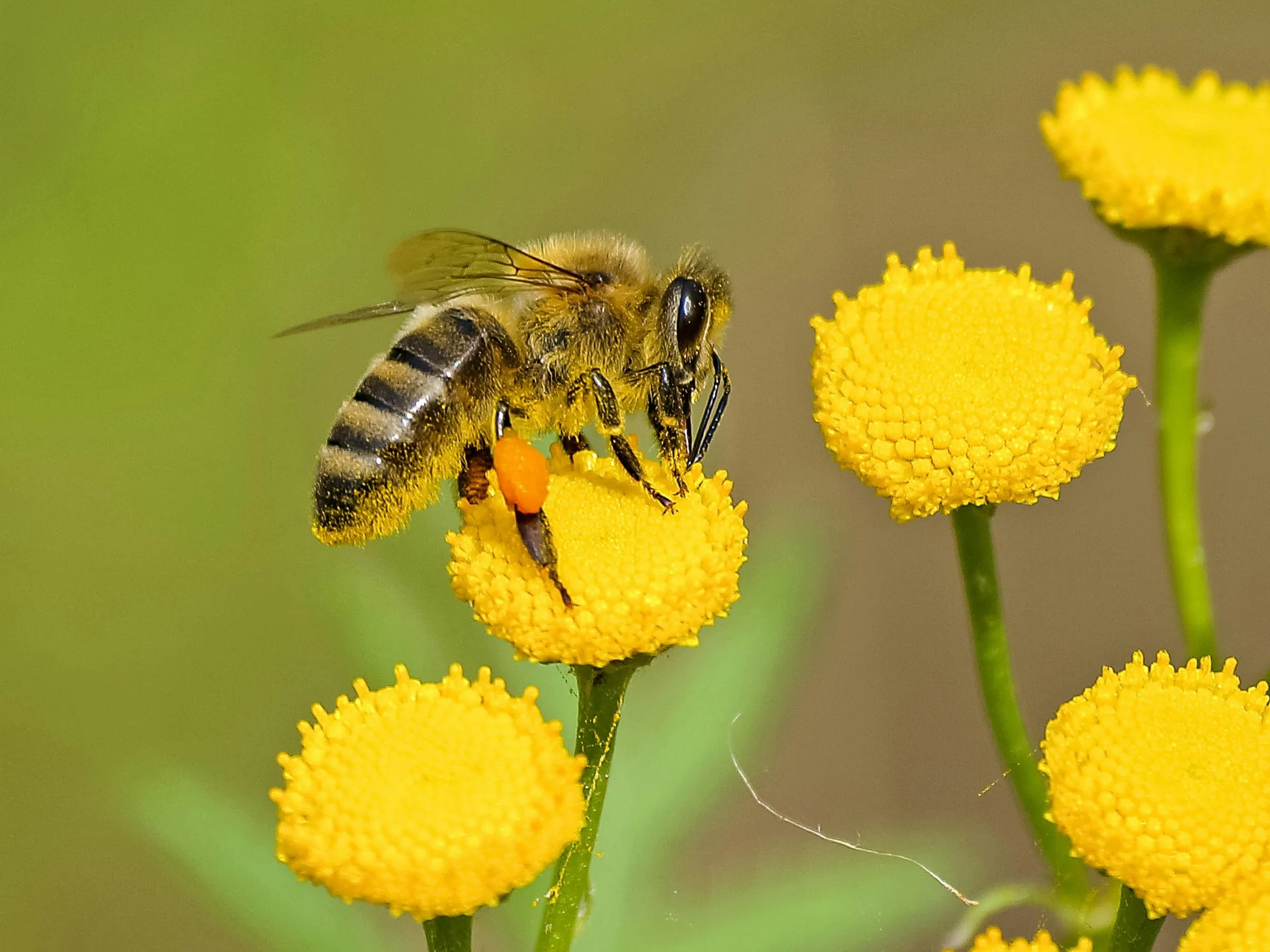
Walk down any honey aisle and two words dominate the labels: clover and wildflower. One promises a familiar, mild sweetness. The other promises something less predictable. Both can be excellent, and the difference comes down to what the bees were eating.
Quick answer: Clover honey comes mostly from the nectar of clover flowers, so it’s light in color, mild and consistent from jar to jar. Wildflower honey comes from whatever mix of flowers was blooming near the hives, so its color and flavor change with the place and season, from light and floral to dark and bold. Neither is healthier; clover is the reliable everyday honey, wildflower the one that tastes of a particular place.
Clover vs wildflower honey at a glance
| Clover honey | Wildflower honey | |
|---|---|---|
| Nectar source | Mostly white clover, alsike clover, sweet clover | Many flowers; whatever blooms near the hives |
| Color | Water white to light amber | Light to dark amber; varies |
| Flavor | Mild, clean, lightly floral | Ranges from delicate to bold; often more complex |
| Consistency between jars | High | Low; every batch differs |
| Crystallization | Fairly quick, fine and smooth | Varies with the flowers |
| Best for | Tea, baking, everyday use | Tasting, cheese, drizzling, local flavor |
| Where it’s made | Wherever clover grows, especially pastures and the Plains | Anywhere |
What is clover honey?
Clover honey is a monofloral honey, meaning one plant supplied most of the nectar. The clovers behind it are white clover (Trifolium repens), alsike clover and sweet clover (Melilotus), which grow in pastures, hayfields, roadsides and lawns across North America. In the U.S., the Dakotas, Montana and Minnesota are known for it.
Because clover is so widespread and such a reliable nectar source, clover honey is the classic American honey: light, mild and familiar. Large brands blend clover honey from many sources to keep it consistent.
What is wildflower honey?
Wildflower honey, also called polyfloral honey, comes from many kinds of flowers at once. There’s no rule for which flowers; the name simply means no single plant dominated.
That makes wildflower honey a portrait of a place and a season. Our South Coast summer wildflower honey might include clover, sumac, sweet pepperbush, milkweed and blackberry. A wildflower honey from Florida or California would taste nothing like it. Read more in our seasonal honey guide.
Which tastes better?
That’s personal. Clover honey is gentle and predictable, which is why it works so well in tea and baking. Wildflower honey has more personality, which makes it a favorite for eating off the spoon, on cheese or on warm bread. Many households keep one of each.
Is wildflower honey healthier than clover honey?
Not in any way that matters much. Darker honeys generally contain more antioxidants and minerals, so a dark wildflower honey may have a little more than light clover honey. But the amounts are small in both. If you want the most from either, choose raw honey, which keeps its enzymes and pollen. See antioxidants in raw honey.
Does clover honey crystallize faster?
Usually, yes. Clover honey is fairly high in glucose, so raw clover honey often crystallizes within weeks to a few months, into fine, smooth crystals. That’s why clover is a favorite base for creamed honey. Wildflower honey crystallizes at different speeds depending on its flowers.
Frequently asked questions
Is wildflower honey local?
It can be, but “wildflower” only describes the flowers, not the place. Look for a named town, region or beekeeper. Our what local honey really means guide explains how to tell.
Is clover honey raw?
Some is, much isn’t. Most supermarket clover honey is heated and filtered so it stays clear. Look for “raw” or “unheated” and a beekeeper you can ask.
Which is better for baking, clover or wildflower?
Clover, if you want sweetness without strong honey flavor. A darker wildflower honey works when you want honey to taste like honey. See baking with honey.
Why does my wildflower honey taste different every time?
Because the bees visited different flowers. Each batch reflects what bloomed that season, which is part of the appeal.
Can clover honey be local in Massachusetts?
Yes. White clover blooms in lawns and fields across Massachusetts from June onward, and it’s part of many local summer wildflower honeys, though pure clover honey is less common here than in the Plains.
Sources
- National Honey Board, honey varietals and color guide.
- USDA Agricultural Marketing Service, Pfund color scale in U.S. honey grade standards.
Whichever you pick, the best honey is the one you’ll enjoy every day. Our honey buyer’s guide can help you choose. If you’re near Rochester, taste our seasonal honeys side by side at the Honey House.