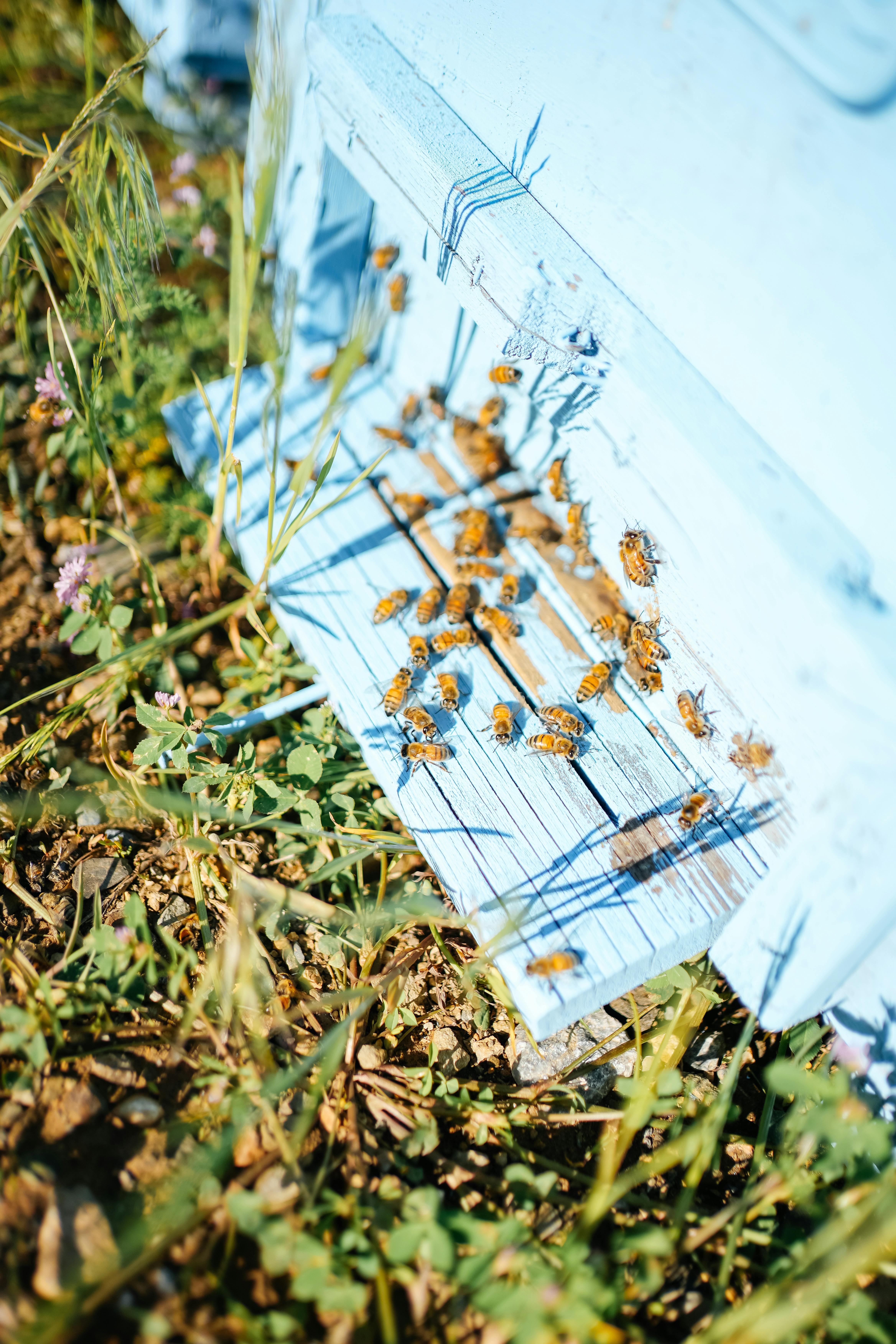
On the first genuinely warm afternoon of late winter, even if it's only 50 degrees, you'll notice something at the hive entrance. A stream of bees pouring out, circling in the air in wide, looping arcs, then returning. It looks like chaos. It's anything but.
Quick answer: Honeybees begin preparing for spring weeks before the season officially arrives. As daylight hours lengthen in late winter, the queen resumes laying eggs and the colony starts raising new brood. Worker bees take their first cleansing flights to clear waste they've held all winter. Scout bees venture out to find early pollen sources. By the time spring flowers open, a healthy hive is already in the middle of a population explosion that can take a colony from 10,000 winter bees to 50,000 or more by early summer.
What's happening inside the hive before spring officially arrives?
The hive never fully goes dormant. All winter, bees huddle in a tight cluster, shivering their flight muscles to generate heat, cycling through the center and the outer edges to share the warmth. They don't hibernate. They wait.
What kicks off the spring transition isn't temperature. It's light. As days lengthen in January and February, the queen reads that signal and starts laying again, often while there's still snow on the ground. A small patch of brood appears at the center of the cluster. The workers around it shift their behavior immediately: instead of simply staying warm, they now have to keep that brood at a precise 93-95°F. The colony's purpose has changed.
This is the moment spring really begins, even if nothing outside looks like spring yet. To understand where the colony is coming from, it helps to know what bees do in winter, the quiet work of survival that makes this reawakening possible.
What are cleansing flights, and why are they such a big deal?
Those circling bees on the first warm day aren't playing. They're relieving themselves.
Honeybees are fastidiously clean animals. They will not defecate inside the hive. During winter, when temperatures stay too cold to fly, they hold their waste for weeks or months at a stretch. The pressure builds. When the weather finally cooperates, hundreds of bees stream out at once to take cleansing flights, the first chance they've had to go to the bathroom since fall.
The looping, erratic flight patterns you see are partly orientation. Bees that have been inside all winter are recalibrating their sense of the hive's location before venturing further. First-year bees may be seeing the outside world for the first time. For the beekeeper watching, a strong cleansing flight is genuinely good news. It means the colony made it through.
How does the queen kick off spring inside the colony?
The queen's spring ramp-up is one of nature's more impressive performances. At her peak in late spring, a laying queen can produce 1,500 to 2,000 eggs per day, each one carefully placed in a cleaned and inspected cell.
She doesn't start at full speed. In late winter she begins with a small patch, a few hundred eggs in the warmest part of the cluster. As the colony grows and more workers are available to tend brood, she expands. The laying pattern moves outward in rings. By April or May, whole frames are covered in capped brood in every direction.
This is also a period of significant food consumption. Raising brood requires warmth and protein, which means the colony is burning through its honey and pollen stores faster in late winter than it was in the depths of January, a counterintuitive fact that catches new beekeepers off guard. Running out of food in February or March, just before spring arrives, is one of the more heartbreaking things a hive can do.
Why does a beehive's population explode in spring?
It comes down to the math of bee lifespans. A worker bee in summer lives about six weeks. Foraging is brutal on the body. But winter bees, which don't forage, can live four to six months. The colony enters spring with a core of these long-lived survivors. When the queen starts laying in February, those survivors are still alive to care for the new brood. For a few weeks, bees are being born faster than the older ones are dying.
The population compounds. More bees means more bees to raise more brood. A colony that entered winter with 12,000 bees might hit 30,000 by May and 50,000 or more by June. This spring buildup is why understanding the honeybee lifecycle matters. The timing of winter survival, spring laying, and summer foraging are all linked in a sequence that either succeeds or fails together.
What are forager bees looking for in early spring?
Two things: nectar and pollen. And in early spring, pollen matters more.
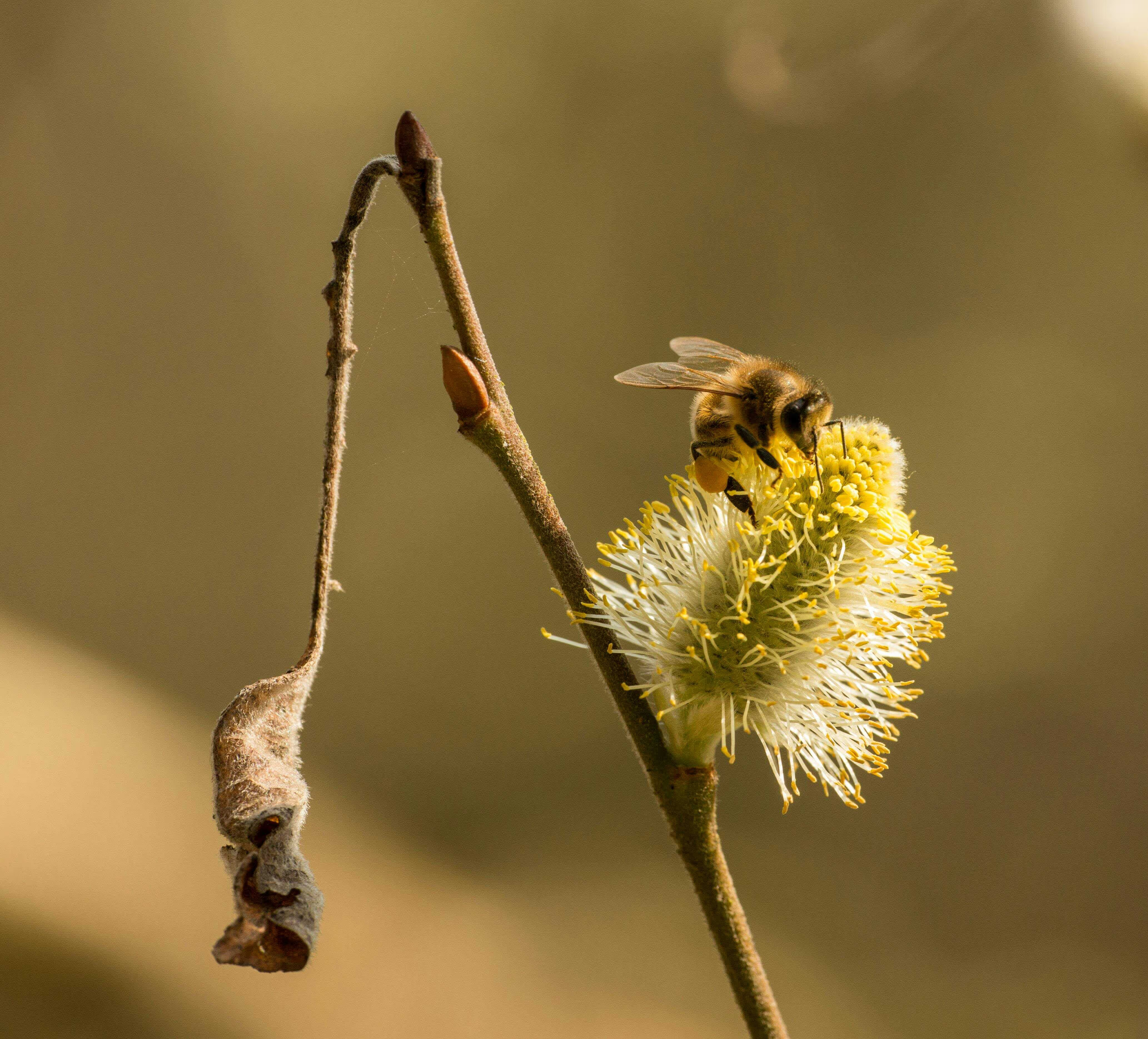
Nectar becomes honey, which fuels the adult bees. But pollen is protein. It's what nurse bees eat to produce the brood food that raises larvae. A colony coming out of winter is running low on stored pollen, and the new brood demands a steady supply immediately.
The first pollen sources of the year are unglamorous heroes: willows, red maples, elms, early crocuses, and eventually dandelions. Bees will fly on days as cold as 50°F to reach them. Scout bees go out first, find a source, return, and communicate its location through waggle dances to recruit foragers. It's the same system they use all year, but in early spring there's an urgency to it.
This early foraging also connects to the honey you taste later in the year. Spring honey has a different character than summer or fall honey: lighter, often floral, carrying the flavors of whatever bloomed first. We write more about that in our guide to seasonal honey.
What does this mean for local beekeepers?
Spring is the most critical and most labor-intensive time of year for anyone keeping hives. The first hive inspection of the season, usually when temperatures are consistently above 55°F and there's little wind, tells the story of winter. Did the queen survive? Are there food stores left? Is there a healthy brood pattern? Are there signs of disease?
For Nettie, spring inspections are also the moment of reacquaintance. After months of leaving the hives largely alone, opening them up again and reading what's there takes patience and attention. Every hive has its own personality, its own pace of buildup. Some colonies come roaring out of winter. Others need more time, more support. Part of what makes small-scale local beekeeping different from industrial honey production is that each colony gets that individual attention.
Frequently Asked Questions
When do bees start coming out in spring?
On any day when temperatures reach about 50°F (10°C), you'll likely see some bee activity at the hive entrance. The first major cleansing flights often happen on the first warm afternoon of late winter or early spring, sometimes as early as February in the northeastern United States, even with snow still on the ground. Regular foraging typically picks up when temperatures are consistently above 55°F.
Do bees hibernate in winter?
No. Honeybees do not hibernate. They form a winter cluster inside the hive, shivering their flight muscles to generate heat and surviving on stored honey. They remain alive and active throughout winter, just clustered together and largely still. You can read more about what bees do in winter.
Why do bees swarm in spring?
Swarming is how a honeybee colony reproduces. When a colony has built up strongly through spring and the hive becomes crowded, the existing queen may leave with roughly half the workers to find a new home. The bees left behind raise a new queen. A swarm is a sign of a healthy, vigorous colony, not a sign that something has gone wrong. Swarm season typically peaks in late spring.
How long does spring buildup take?
A colony in good health can go from its winter low (around 10,000 to 15,000 bees) to full summer strength (40,000 to 60,000 bees) in roughly six to eight weeks once spring buildup begins in earnest. The pace depends on the queen's productivity, the availability of early pollen, and whether the colony has enough food stores to sustain brood rearing through late winter.
Does the honey bees make in spring taste different?
Yes, noticeably. Spring honey reflects the earliest nectar sources: willows, maples, fruit blossoms, and wildflowers. It tends to be lighter in color and more delicate in flavor than summer or fall honey. The flavor of local honey shifts with the seasons, which is one of the things that makes raw honey from local hives worth paying attention to.


.jpg)
.jpg)