How Honeybees Pollinate Cranberry Bogs
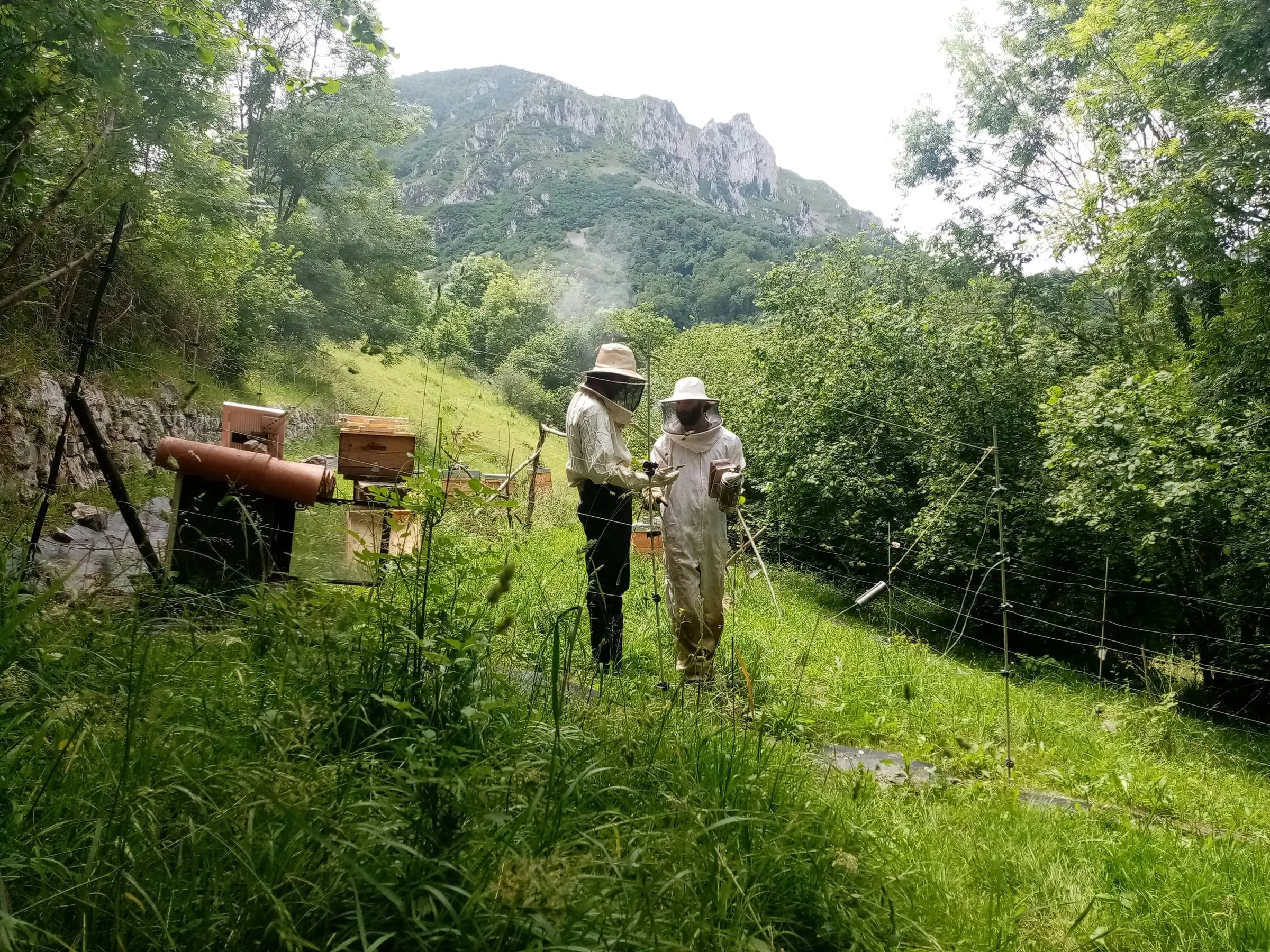
Every June, as the cranberry vines on the South Coast start to bloom, beekeepers load hives onto trucks and set them on the edges of the bogs. For a few weeks, those bees work the tiny pink flowers, and the grower’s fall harvest depends on how well they do it. Nettie’s Bees grew out of exactly this work: Nettie’s first hive was for a local cranberry grower.
Quick answer: Cranberry flowers need insects to carry pollen from flower to flower, and berries that get more pollen develop more seeds and grow bigger. Because a bog has far more flowers than wild bees can visit, growers rent honeybee colonies during bloom, which in southeastern Massachusetts runs from about mid-June to mid-July. Extension guidelines generally suggest about one to three strong colonies per acre.
Why do cranberries need bees?
Cranberries can’t pollinate themselves well. Each flower has to receive pollen, ideally from another flower, carried by an insect. Wind does almost nothing.
Pollination matters for more than whether a berry forms. A cranberry with more fertilized seeds tends to grow larger and heavier, so good pollination means both more berries and bigger ones. Growers who skimp on pollination can lose a noticeable share of their crop.
How does a cranberry flower work?
The flower is the reason the plant has its name. Early colonists thought the nodding blossom, with its petals swept back and its stamens pointing down like a beak, looked like the head of a crane, and called the fruit “craneberry.”
That downward-pointing structure holds pollen in tube-shaped anthers that release it best when shaken. Bumblebees do this naturally by vibrating their flight muscles as they grip the flower, a trick called buzz pollination. Honeybees don’t buzz, so each honeybee visit moves less pollen. What honeybees offer is numbers: a strong colony can put thousands of foragers onto a bog at once, every day of bloom.
Why don’t growers rely on wild bees?
Native bumblebees and other wild bees are excellent cranberry pollinators, and growers work to protect them. But a commercial bog is a dense carpet of millions of flowers, far more than the wild bees nearby can cover. Rented honeybees fill the gap. Many growers do both: rent hives and keep wild habitat around the bogs. Our post on native bees vs honeybees explains why both matter.
How many hives does a cranberry bog need?
There’s no single number, but guidelines cluster around one to three strong colonies per acre. Extension programs in Minnesota, Michigan and Oregon recommend figures in that range, with more hives in rainy regions or poor weather, when bees fly less. UMass Cranberry Station guidance encourages growers to walk their beds during bloom and check that pollinators are actually visiting flowers.
What counts most is colony strength. A big, healthy colony with plenty of foragers does far more than two weak ones. That’s the idea behind our Healthy Hive Promise: we only send strong, productive colonies out for pollination.
When do the hives go out?
Hives usually go onto the bogs when a small share of flowers have opened, so foragers learn the bog as the bloom builds rather than finding other flowers first. They stay through peak bloom, usually three to five weeks, and come off when flowering is done.
A few practical things matter during that time:
- Pesticides. Growers and beekeepers coordinate so insecticides aren’t sprayed on open blooms or when bees are flying.
- Water. Bees need it on hot days; bogs usually have plenty nearby.
- Access. Hives are heavy, and they go in and out by truck, so placement has to suit both bees and vehicles.
Do honeybees make cranberry honey?
When the weather cooperates and the beekeeper harvests promptly after bloom, yes. Cranberry honey is usually amber with a mild, fruity, slightly tart flavor. Read more in cranberry honey.
Frequently asked questions
When do cranberries bloom in Massachusetts?
Usually from mid-June to mid-July, varying with the year’s weather and the cranberry variety. Peak bloom typically falls in late June to early July.
Can cranberries be pollinated without honeybees?
Wild bees, especially bumblebees, pollinate cranberries very well. On large commercial bogs there usually aren’t enough of them, so growers add rented honeybee colonies.
Do bees hurt the cranberry crop?
No. Bees only visit the flowers. Good pollination leads to more and larger berries.
How do I rent bees for my cranberry bog?
Contact a beekeeper well before bloom, ideally in winter or early spring. Nettie’s Bees rents hives for cranberry pollination on the South Coast; see our pollination page and renting honeybees for pollination.
Sources
- UMass Amherst Cranberry Station, pollination and native bee fact sheet, 2011.
- Evans E, Spivak M. Cranberry pollination guidance, University of Minnesota Bee Lab.
- Oregon State University Extension. Evaluating Honey Bee Colonies for Pollination (PNW 623).
- Michigan State University Extension, using bees for pollination of small fruit crops.
- Delaplane KS, Mayer DF. Crop Pollination by Bees. CABI, 2000.
The cranberries on your Thanksgiving table probably had a bee or two to thank. To watch the other end of the season, see our guide to cranberry harvest season. If you grow on the South Coast and need strong colonies for next season, get in touch early.