Renting Honeybees for Pollination: How It Works for Farms and Growers
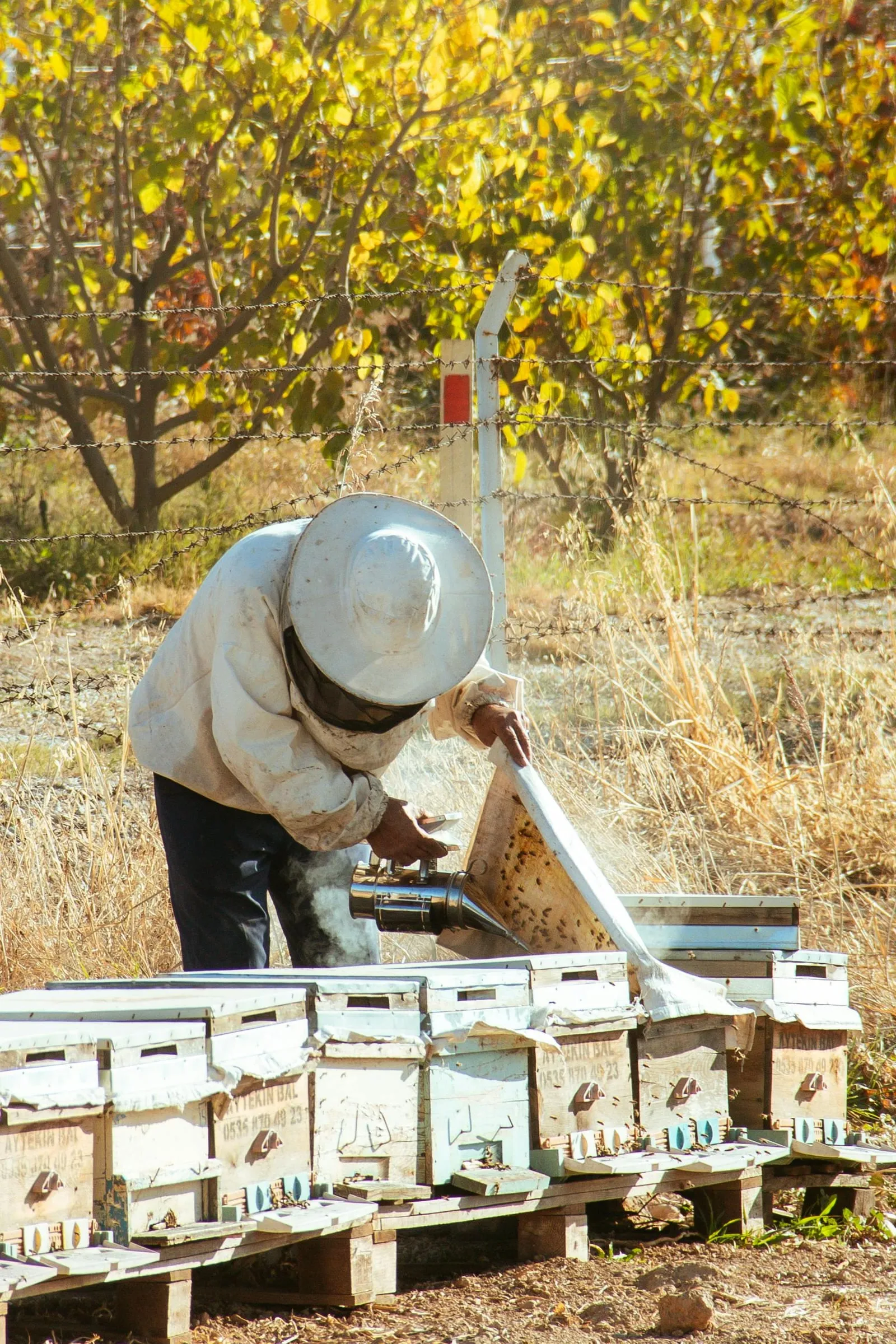
A lot of what grows on the South Coast depends on bees. Cranberries, blueberries, apples, squash and pumpkins all set more and better fruit when insects carry pollen between flowers. On a small farm, wild bees may be enough. On a working bog or orchard, there are usually far more flowers than wild bees can visit, and that’s where rented honeybee colonies come in.
Quick answer: Renting honeybees means a beekeeper brings strong colonies to your farm for the crop’s bloom, then takes them away afterward. Growers typically need about one to three colonies per acre depending on the crop, set out when bloom starts. The beekeeper supplies and manages the hives; the grower agrees on placement, access and pesticide timing. Nettie’s Bees rents hives for $100 a year, mainly for cranberry growers.
Which crops benefit from rented honeybees?
Many fruit, vegetable and seed crops do. Around southeastern Massachusetts, the main ones are:
| Crop | Bloom on the South Coast (approx.) | Notes |
|---|---|---|
| Highbush blueberry | May | Bell-shaped flowers; bumblebees are excellent pollinators, honeybees add numbers |
| Apple and pear | May | Most varieties need pollen from a different variety nearby |
| Strawberry | May to June | Better-shaped berries with good pollination |
| Cranberry | Mid June to mid July | Our specialty; see how honeybees pollinate cranberries |
| Squash, pumpkin, cucumber, melon | July to August | Separate male and female flowers, so insects are essential |
How many hives per acre do you need?
It depends on the crop, the field and the wild bees already around. Extension guidelines commonly suggest roughly one to three strong colonies per acre for crops like cranberry and blueberry, and around one per acre for apples, with more in rainy regions or where wild pollinators are scarce. Your beekeeper and local extension office can help you settle on a number.
Colony strength matters as much as count. A strong colony with plenty of foragers does far more work than two weak ones. Ask how the beekeeper judges colony strength before the hives go out.
When should the hives arrive?
Most beekeepers place hives when a small share of the crop’s flowers have opened. Too early, and foragers find other flowers first and stick with them. Too late, and you miss early blossoms, which often produce the best fruit. Hives usually stay until bloom is mostly over.
What does the beekeeper do, and what does the grower do?
The beekeeper usually:
- Raises and maintains strong, healthy colonies through the year
- Delivers hives, places them and removes them after bloom
- Checks on the colonies during the rental
- Keeps the bees healthy and treated for mites between seasons
The grower usually:
- Lets the beekeeper know expected bloom dates early
- Provides safe truck access and a level, dry spot for hives
- Plans pesticide applications so insecticides aren’t sprayed on open blooms or while bees are flying, and tells the beekeeper before any spraying
- Makes sure bees have water nearby
What does it cost?
Prices vary a great deal by region and crop. Large migratory operations that serve California almonds charge very differently from a local beekeeper serving New England bogs. At Nettie’s Bees, we rent hives for $100 a year, and we deliver and look after them. Contact us for a quote for your farm.
Why choose a local beekeeper?
Local colonies are already adapted to New England weather, they don’t travel cross-country between crops, and your beekeeper can be there quickly if something goes wrong. It also keeps the money and the bees in the community. Read more about how your honey choices help all pollinators.
Frequently asked questions
How far in advance should I book pollination hives?
As early as you can, ideally in winter or early spring. Strong colonies are limited, and beekeepers plan their spring management around their commitments.
Will the bees sting my workers?
Bees at the hive will defend it if disturbed, but bees on flowers in the field rarely sting. Keep hives away from walkways and work areas, and give hive entrances a clear flight path.
Do I get the honey?
Usually not; the honey belongs to the beekeeper and the colony. Cranberry honey, for example, is a beekeeper’s reward for working the bogs.
Can I keep my own bees for pollination instead?
You can, but it means managing colonies all year, including mites and winter. Many growers find renting from a beekeeper simpler. See beekeeping for beginners if you’re curious.
Do you provide hives for crops other than cranberries?
Cranberry pollination is our focus. Depending on hive availability, we may be able to help with blueberries, apples and other crops. Contact us well before your bloom.
Sources
- Oregon State University Extension. Evaluating Honey Bee Colonies for Pollination (PNW 623).
- Michigan State University Extension, using bees for pollination of small fruit crops.
- Delaplane KS, Mayer DF. Crop Pollination by Bees. CABI, 2000.
A good pollination season is a partnership between grower, beekeeper and bees. If you farm on the South Coast, we’d be glad to talk about yours.