Infused Honey: Lavender, Garlic, Thyme and How to Use Each
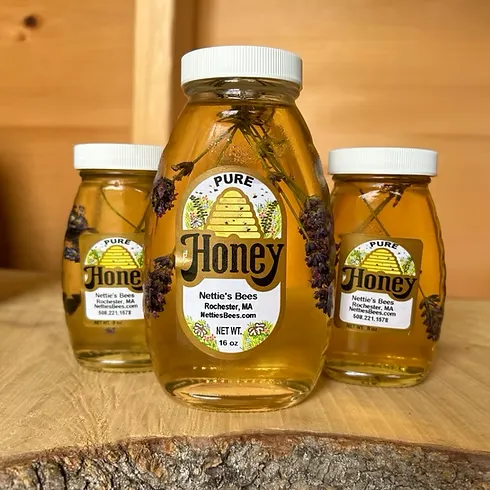
Infused honey is one of the oldest ways to keep the flavor of a garden through the winter. Herbalists have long steeped herbs in honey, both to preserve them and because honey carries their flavor beautifully. Our own infused honeys start with raw local honey and lavender, garlic or thyme from our garden.
Quick answer: Infused honey is honey that has been steeped with herbs, flowers or spices until it takes on their flavor. To make it, cover dried herbs or spices with honey in a clean jar, let it sit at room temperature for one to two weeks, then strain. Dried ingredients are safest. Fresh herbs, fruit and garlic add water and can let honey ferment or, rarely, allow botulism, so use them only with care and refrigerate. Use infused honey in tea, on cheese, in dressings and on roasted foods.
What herbs and spices work in honey?
Almost anything aromatic. Some favorites:
| Infusion | Flavor | Try it with |
|---|---|---|
| Lavender | Floral, a little like rosemary | Tea, lemonade, shortbread, ricotta, berries |
| Thyme | Herbal, savory | Goat cheese, roast chicken, vinaigrette, hot toddies |
| Garlic | Savory, mellow after steeping | Roast meats, pizza, stir-fries, salad dressing |
| Rosemary | Piney, savory | Cheese boards, roast potatoes, lamb |
| Cinnamon stick | Warm, sweet | Oatmeal, coffee, apple desserts |
| Dried citrus peel | Bright | Tea, yogurt, baking |
| Ginger (dried) | Spicy, warming | Tea, marinades |
| Chili | Sweet heat | Pizza, fried chicken; see what is hot honey |
How do you make infused honey at home?
Cold infusion keeps raw honey raw and is the simplest:
- Fill a clean, dry jar about a quarter full with dried herbs or spices (a few tablespoons per cup of honey for strong herbs like lavender; more for mild ones).
- Pour honey over them to fill the jar, stirring out air bubbles.
- Close the lid and leave it at room temperature, out of direct sun, for one to two weeks. Turn the jar over every day or two so the herbs stay coated.
- Taste. When you like the strength, strain the honey through a fine sieve, warming the jar gently in water if it’s too thick to pour.
- Store the strained honey tightly closed at room temperature.
Warm infusion is faster: warm the honey and herbs together over the lowest heat for 15 to 30 minutes without letting it simmer, then steep and strain. It works well for spices, but heat reduces raw honey’s enzymes.
Is it safe to put fresh herbs or garlic in honey?
This is where care matters. Honey resists germs because it has very little water. Fresh herbs, fruit, ginger and garlic add water to the honey. That can:
- Make honey ferment, with foam and a sour, boozy smell.
- Rarely, allow botulism. Garlic and many fresh herbs are low-acid and can carry Clostridium botulinum spores from the soil. In a sealed, watered-down, low-acid jar, those spores can, in rare cases, produce toxin.
Food-safety specialists haven’t tested a standard home recipe for fresh garlic or herbs in honey. To stay safe:
- Use dried herbs, dried garlic and dried spices for room-temperature infusions.
- If you use fresh ingredients, keep the jar in the refrigerator and use it within a week or two, or add a tablespoon of apple cider vinegar per cup of honey to raise the acidity.
- Throw out any infused honey that bulges, foams unexpectedly, smells off or shows mold.
If you want fermented garlic honey specifically, read our guide to fermented honey garlic before you start.
How do you use infused honey?
- In drinks: stir lavender or citrus honey into tea, lemonade or sparkling water.
- On cheese: thyme or rosemary honey with goat cheese or brie. See honey and cheese pairing.
- In dressings: whisk garlic or thyme honey with olive oil, vinegar and mustard.
- As a glaze: brush garlic or rosemary honey on chicken, pork or carrots in the last minutes of roasting.
- For breakfast: cinnamon honey on oatmeal or toast.
Frequently asked questions
Does infused honey need to be refrigerated?
Not if it’s made with dried ingredients and strained. Infusions with fresh herbs, fruit or garlic should be refrigerated and used within a week or two.
How long does infused honey last?
Strained honey infused with dried herbs keeps for months at room temperature, much like plain honey, though the herbal flavor slowly fades.
Can you infuse honey with fresh lavender?
You can, but dried lavender is safer and gives more flavor. Fresh flowers add moisture that can cause fermentation. Use culinary lavender (Lavandula angustifolia), which tastes sweeter than other types.
Is infused honey still raw?
If it’s made with a cold infusion and never heated above hive temperature, yes. Warm infusions reduce honey’s natural enzymes.
Can I give infused honey to my baby?
No. Never give honey of any kind to babies under 12 months.
Sources
- National Center for Home Food Preservation, guidance on flavored oils and low-acid infusions.
- Centers for Disease Control and Prevention, botulism prevention guidance.
A row of infused honeys makes a pantry feel like a garden. Start with something dried and simple, like lavender or thyme, and see where it takes you.