What Happens to Cranberry Bogs in Winter?
Drive past the bogs in Rochester or Carver in January and the crimson water of October is gone. In its place is a flat, gray sheet of ice, sometimes with a truck or a sand spreader parked out in the middle of it. It looks like the bog has been abandoned for the season. It hasn’t. Winter is when growers protect next year’s crop and rebuild the bog.
Quick answer: After harvest, Massachusetts cranberry growers flood their bogs for winter, usually from late December to mid-March, so a layer of water and ice shields the dormant vines from freezing, drying winds. In January and February, when the ice is at least 3 to 4 inches thick, many growers spread sand on top of it. The sand sinks into the vines at thaw and helps them grow new roots. The flood comes off by about March 15.
Why are cranberry bogs flooded in winter?
To keep the vines from drying out. Cranberry vines keep their leaves all winter, and cold wind pulls moisture out of them. When the ground is frozen, the roots can’t replace that water, so the vines dry out and die back. Growers call this winterkill, and UMass Amherst’s cranberry guidance describes it as a “physiological drought.”
It can happen fast. According to UMass guidance, injury can start within three days when the root zone is frozen to 4 inches deep, the air stays below freezing and the wind blows at 10 mph or more. Two or three days below 20°F will likely freeze the soil. A flood covers the vines completely, with no tips sticking out, so the wind can’t reach them.
When are cranberry bogs flooded and drained?
The winter flood can go on as early as December 1 and is usually held from late December to mid-March, depending on the weather. UMass guidance says growers generally don’t need to hold it past March 15. Here’s how a South Coast bog’s off-season usually runs:
| When | What happens on the bog |
|---|---|
| Late October to early November | Harvest wraps up and the vines go dormant |
| December | The winter flood goes on, once winterkill weather is on the way |
| Mid-January to mid-February | Ice sanding, if the ice gets thick enough |
| By about March 15 | The winter flood is drawn off |
| Late April (some bogs) | A “late water” flood, held for about a month |
| Mid-June to mid-July | Bloom, when honeybee hives go out to the bogs |
Growers don’t waste the water. Massachusetts Cranberries, the growers’ association, says flood water is recycled from bog to bog through canals, flumes and holding ponds, often shared by several growers.
Do cranberry vines freeze under the ice?
They can survive being frozen in, as long as they get enough oxygen. The real risk under winter ice is suffocation, not cold. The plants are still alive and using oxygen, and the water around them can run low, especially under cloudy ice or a heavy layer of sand.
UMass guidance cites research by Bergman linking oxygen below 4 milligrams per liter to vine injury, and it advises growers not to leave water under the ice once oxygen falls below 3 mg/l. When that happens, growers draw the water out from under the ice so air can reach the vines through cracks and edges. Where light gets through clear ice, oxygen in the water usually stays adequate. Snow on top also insulates well: one study UMass cites (Vanden Heuvel and Roper) found oxygen stayed at 8 mg/l or higher under 9 inches of snow on ice.
Warm spells are a worry too. UMass notes that a long thaw above 55°F can cost the vines some of the winter chilling they need, so growers may reflood if a warm stretch is forecast.
Why do growers put sand on the ice?
Sand helps the vines grow new roots and buries pests. Massachusetts Cranberries says ice sanding usually happens from mid-January to mid-February, and the ice needs to be at least 3 to 4 inches thick to hold the equipment. Growers drive buggies onto the ice and spread sand, which settles down into the vines when the ice melts.
That layer of sand, usually half an inch to two inches deep, covers the bare wood at the base of the plants and pushes them to put out new roots and shoots. It also buries weed seeds, fungal spores, insect eggs and insects spending the winter in the bog, which can mean less fertilizer and fewer sprays. Growers sand every two to five years, not every winter. Sanding can cut that year’s crop a little, and putting the sand on the ice instead of on the vines in spring keeps that loss smaller.
The idea is as old as the industry. Cranberry growing in Massachusetts traces back to 1816, when Captain Henry Hall of Dennis noticed that sand blowing onto his wild vines made them grow better. If the ice never gets thick enough, growers sand from a barge on the flooded bog or spread it on the dry vines instead.
What else do cranberry growers do in winter?
They fix and build equipment. Fewer than 1,000 cranberry growers farm in all of North America, so big manufacturers don’t make machines for them. Most growers design, build and maintain their own pickers, pruners and pump rigs, and winter is when that work gets done. They also clear brush and trees from bog edges to improve air movement, which lowers frost risk and fungus, and they go to workshops and certification courses.
Where are the bees in winter?
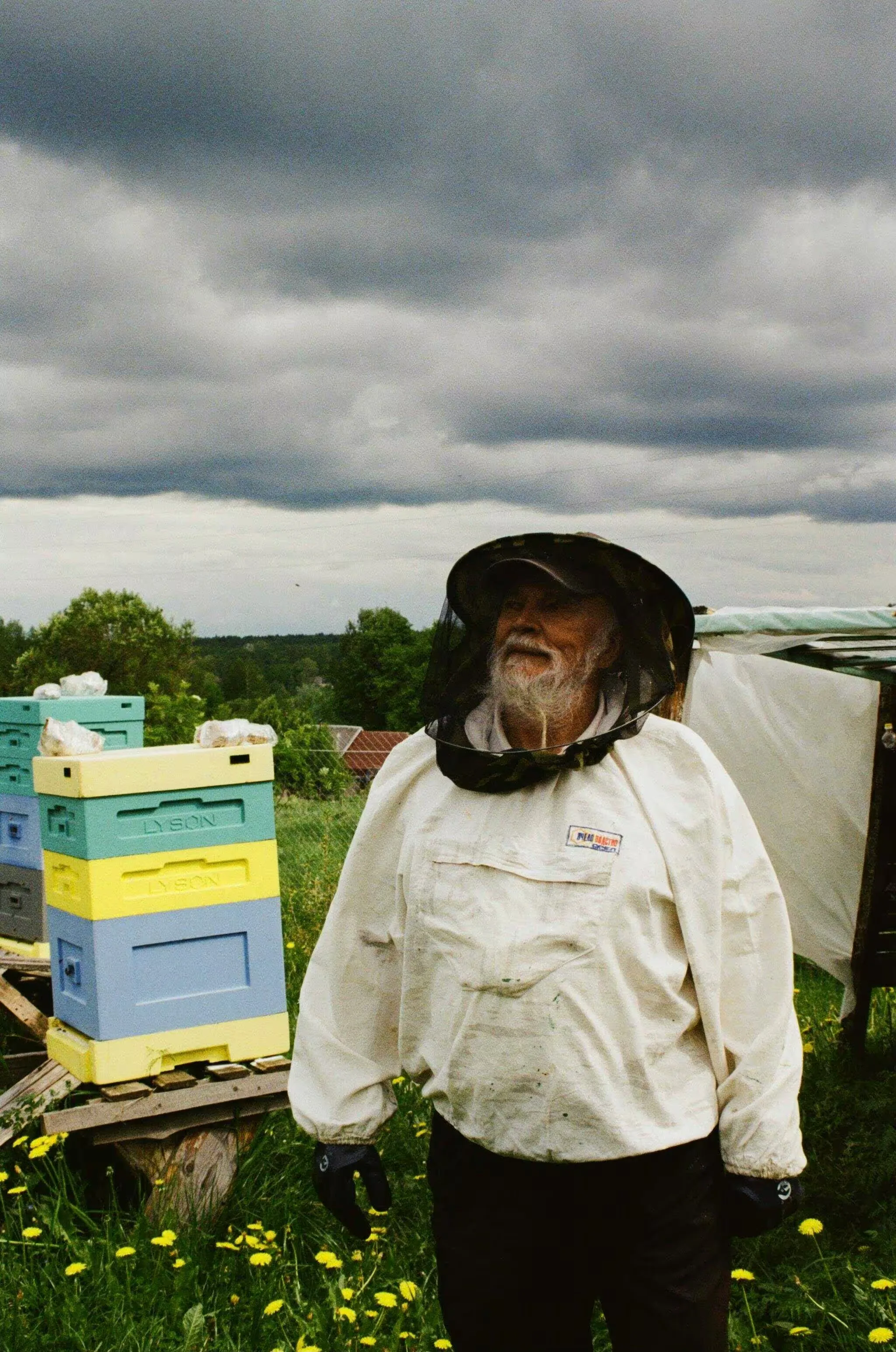
At home in their hives, nowhere near the bogs. Cranberry bloom runs from about mid-June to mid-July, and growers rent honeybee hives only for those few weeks. Our post on how honeybees pollinate cranberries explains why the bogs need them. Once bloom ends, the hives go back to their home yards.
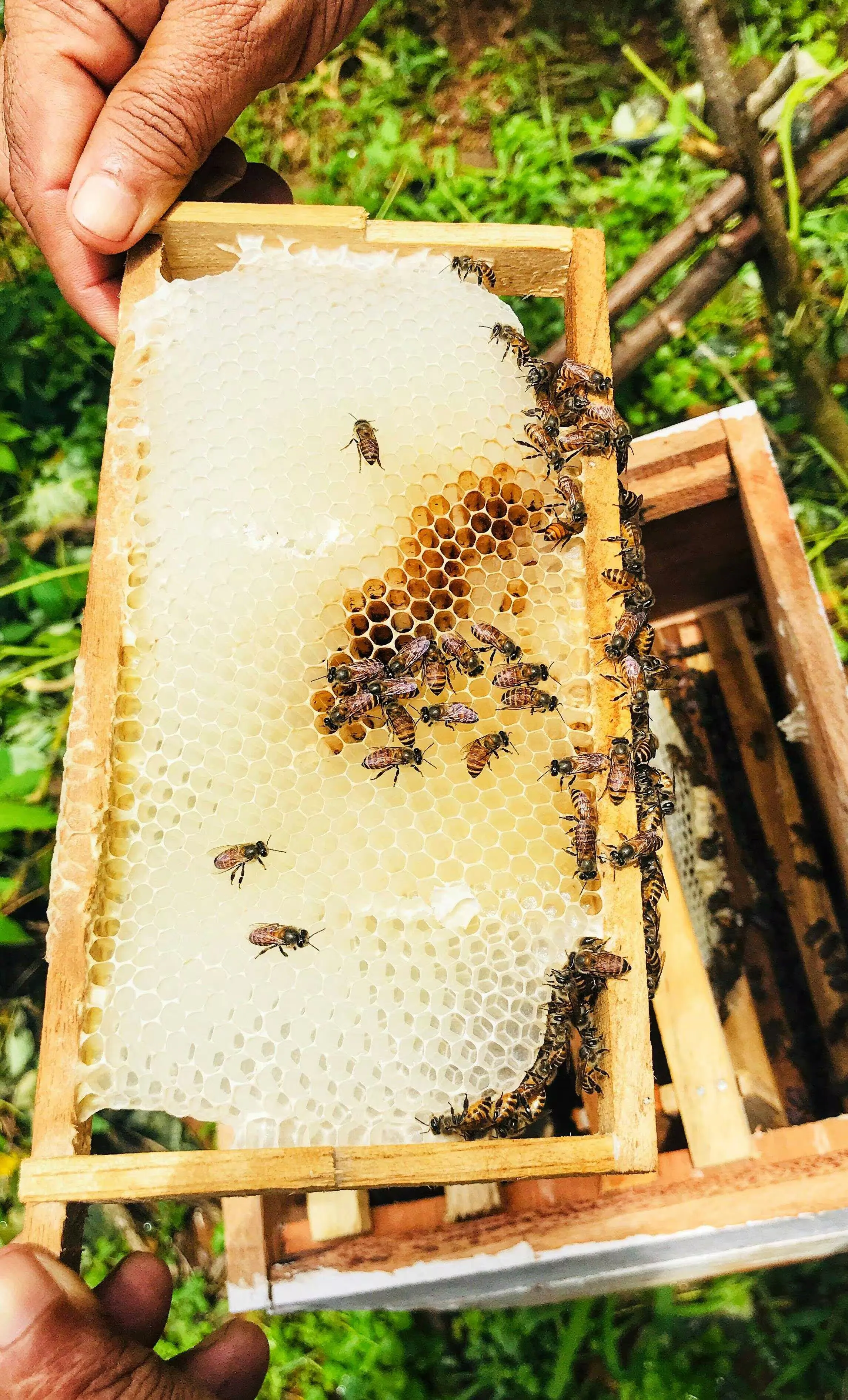
By January, the colonies that worked the bogs in June are packed into a tight winter cluster, shivering their flight muscles to keep the queen warm and living on the honey they stored. Our guide to what bees do in winter covers how they make it to spring. In a sense, the bees and the vines are doing the same thing all winter: holding still, staying protected and waiting for warm weather.
Winter is also when growers line up hives for next season. If you grow cranberries on the South Coast, our pollination services page explains how we place strong colonies on bogs during bloom.
Frequently asked questions
Why are cranberry bogs flooded in winter?
Flooding keeps the dormant vines from drying out in cold, windy weather while the ground is frozen, a kind of damage growers call winterkill. In Massachusetts the winter flood can go on as early as December 1 and usually stays from late December to mid-March, covering the vines completely so the wind can’t reach them.
Can you ice skate on a frozen cranberry bog?
Only with the owner’s permission. Most bogs are private working farms. The ice can also be less safe than it looks: growers sometimes draw the water down from under the ice to get oxygen to the vines, and sanding crews drive on it. Stay off bogs and dikes unless the grower says it’s fine.
When do cranberry bogs get drained in the spring?
Usually by about March 15. UMass guidance says the winter flood generally doesn’t need to stay past mid-March. Some growers then hold a “late water” flood for about a month starting in later April. Once the flood is off, growers protect the new buds on frosty nights by running sprinklers.
How often are cranberry bogs sanded?
Every two to five years, according to Massachusetts Cranberries, with a layer about half an inch to two inches deep. Growers prefer to sand on the ice from mid-January to mid-February. If the ice is too thin, they sand from a barge on the flood or onto the dry vines.
Do bees stay on cranberry bogs over the winter?
No. Rented honeybee hives sit on the bogs only during bloom, from about mid-June to mid-July. The rest of the year they live in their home apiaries, and in winter the colony clusters inside the hive and lives on stored honey until spring.
Sources
- University of Massachusetts Amherst, Cranberry Station. Cranberry Chart Book: Winter Management. umass.edu
- Massachusetts Cranberries (Cape Cod Cranberry Growers’ Association). “How Cranberries Grow: Winter,” “Ice Sanding” and “Water Use.” cranberries.org
- Massachusetts Cranberries. “Winter Activities on Cranberry Bogs.” cranberries.org
- Massachusetts Cranberries. “History of Cranberries.” cranberries.org
Next time you pass a frozen bog on the way through Rochester, look for the sand piles on the edge. That’s next October’s harvest getting started. And if you’d like to see the bogs at their reddest, our guide to cranberry harvest season has the when and where.