Is Beekeeping Legal in NYC? What the Rules Say
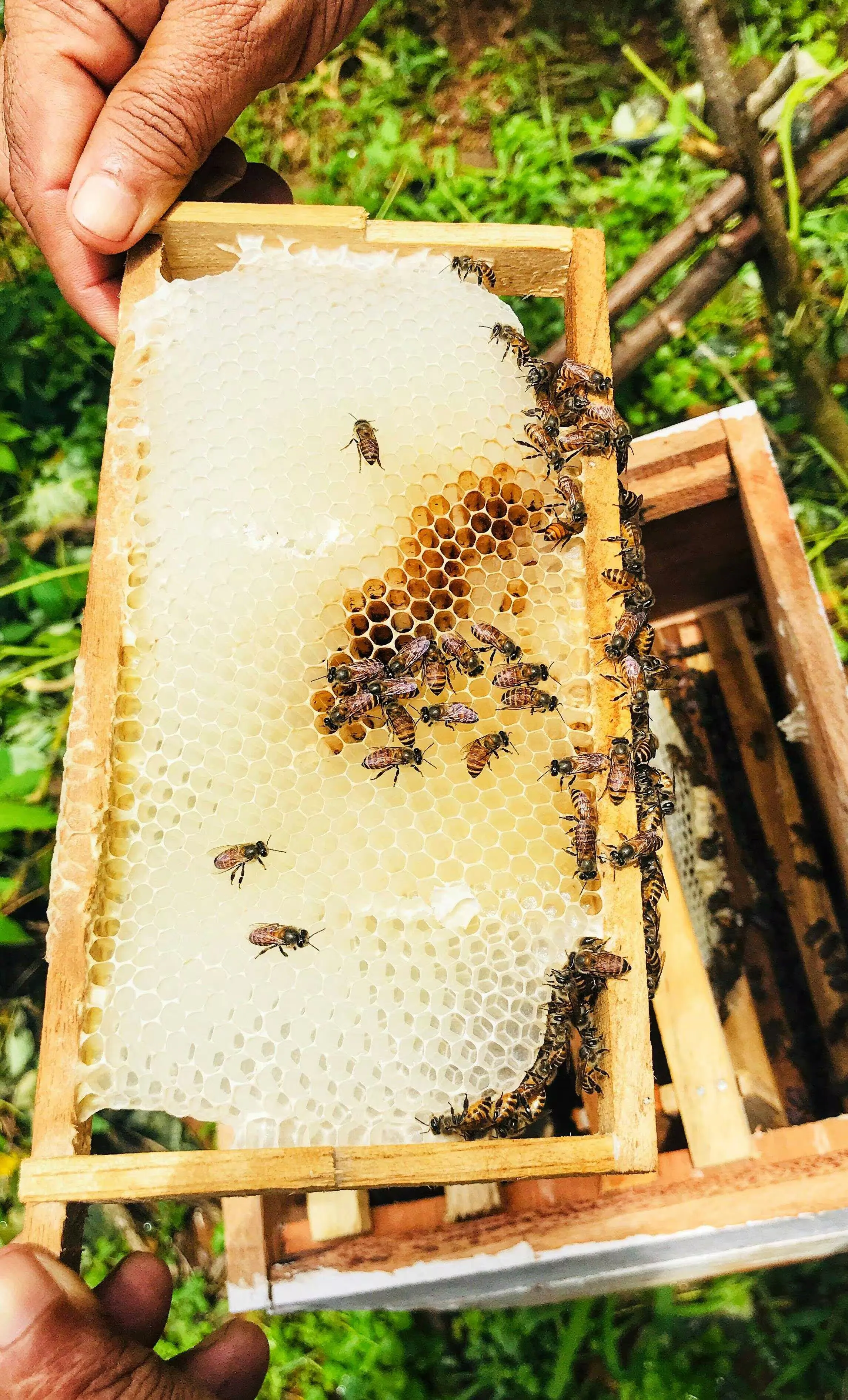
Until 2010, a hive on a Brooklyn roof could get you a fine. Honeybees were on the city’s list of animals too dangerous to keep, alongside ferrets and poisonous snakes. Today the same hive is allowed, as long as you follow a short set of rules.
Quick answer: Yes, beekeeping is legal in New York City. The Board of Health lifted its ban in March 2010 for honeybees (Apis mellifera) only. Wasps, hornets and other stinging insects are still banned. Beekeepers must register their hives with the NYC Health Department within 30 days of setting them up, renew each year by May 31, and also register with New York State. There is no city fee.
We keep our hives in Rochester, Massachusetts, not in the city, so this is a guide from a neighboring state, not legal advice. Rules change, and the city’s own pages are the final word.
When did NYC make beekeeping legal?
New York City made beekeeping legal in March 2010, when the Board of Health voted to overturn a longtime ban. The Christian Science Monitor reported the vote on March 17, 2010. Before that, honeybees sat on the city’s list of about 100 animals considered too hazardous to keep, and fines of up to $2,000 were possible, though enforcement was limited to a few dozen complaints a year.
The change covered one species only: the honeybee, Apis mellifera. Today the NYC Health Department says plainly, “It is legal to keep honeybee hives in the city.”
Which bees can you keep in NYC?
You can keep honeybees, and only honeybees. The city’s registration rule applies to non-aggressive honeybees (Apis mellifera). The 2010 change did not legalize wasps, hornets or other stinging insects.
That matters because many people mix up the groups. Bumble bees, mason bees and the other bees that live in the city are wild neighbors, not livestock, and a wasp nest is not a hive. Our post on native bees vs. honeybees explains the difference, and honeybee vs. wasp vs. yellowjacket helps you tell them apart.
How do you register a beehive in NYC?
You register with the NYC Health Department, online or by form, within 30 days of setting up your hive. Per the city’s MyCity business page, you then renew every year by May 31. There is no fee to register a beehive. You file a separate form for each hive location, and the form asks for your block and lot number.
You also need to register with the New York State Department of Agriculture and Markets. Cornell’s Branching Out newsletter reported in March 2023 that state registration has been required since December 2021 and is renewed each year.
Failing to register with the city may result in a fine. Check the current forms and deadlines on the city’s beekeeper registration page before you file.
What rules apply to hives in NYC?
NYC requires four things of beekeepers, according to the city’s beekeeper registration page:
| Requirement | What it means |
|---|---|
| Movable-frame hives | Hives must be kept in good repair, so the frames can be lifted out and inspected |
| A constant water source | Bees need water close by, so they aren’t looking for it elsewhere |
| Hive placement | Place hives so the bees don’t bother people or animals |
| Swarm and nuisance control | Be ready to control swarms quickly and fix anything that makes the bees a nuisance |
The registration also lets the city reach you. When the Board of Health made the change in 2010, officials said the register would mostly help resolve complaints.
What should you do about a swarm in NYC?
The NYC Health Department says to call 911 if you see a bee swarm. It adds that swarms are usually not aggressive but should be removed only by professional beekeepers. Don’t spray a swarm or try to knock it down.
Our post on what to do if you find a bee swarm covers what we tell people in Massachusetts. The bees behave the same way, but the people to call differ by place.
How does this compare with Massachusetts?
Massachusetts is looser at the state level. It doesn’t license backyard beekeepers, and the Massachusetts Department of Agricultural Resources describes apiary registration as voluntary but highly recommended. The rules that bind you are local: your town’s zoning bylaws and board of health. New York City is the reverse, with registration required but run through one citywide office.
| New York City | Massachusetts | |
|---|---|---|
| Legal to keep honeybees | Yes, since 2010 | Yes |
| Registration | Required, free, renewed by May 31 | Voluntary but recommended (MDAR) |
| Other bees | Only honeybees are covered | Check local bylaws |
| Main rules | Citywide Health Code | Town zoning and board of health |
If you are thinking about starting, our beekeeping for beginners guide covers the first year, and our list of bee schools on the South Coast is useful if you are near us.
Frequently asked questions
Is it legal to keep bees on a rooftop in NYC?
Yes. Rooftops are allowed. The city’s registration form asks whether your hive is in a backyard, on a rooftop or elsewhere, and you must give the block and lot number. If you don’t own the building, the form also asks for the owner’s details, so you will want the owner’s permission first.
Do you need a license to keep bees in NYC?
No license is required, but registration is. You register with the NYC Health Department, which charges no fee, and with New York State. Renew the city registration by May 31 each year.
Can you keep other bees, like bumble bees or mason bees, in NYC?
The city’s rule is about honeybees, and wasps, hornets and other stinging insects remain banned. Wild bees visit city gardens on their own, and you can welcome them with flowers rather than boxes.
What happens if you don’t register your hive?
The city says that failing to register may result in a fine. Registration is also how the city contacts you about problems, so it protects you as much as the neighbors.
Can you sell honey from a NYC hive?
This guide covers keeping bees, not selling honey. Rules for selling food are separate, and we haven’t verified them, so check with the Health Department and New York State before you sell any.
Sources
- Christian Science Monitor. “Beekeeping is now legal in the Big Apple.” March 17, 2010. Board of Health vote; honeybees (Apis mellifera) only; historic fines up to $2,000. https://proof.csmonitor.com/The-Culture/Gardening/2010/0317/Beekeeping-is-now-legal-in-the-Big-Apple
- NYC Health Department. “Bees.” Legal to keep honeybee hives; swarms should be reported by calling 911 and removed only by professional beekeepers. https://www.nyc.gov/site/doh/health/health-topics/bees.page
- NYC MyCity Business. “Beekeeper Registration.” 30-day filing, annual renewal by May 31, no fee, hive requirements. https://nyc-business.nyc.gov/nycbusiness/description/beekeeper-registration
- NYC Health Code, Article 161, section 161.01 (animals). https://www.nyc.gov/assets/doh/downloads/pdf/about/healthcode/health-code-article161.pdf
- Cornell Branching Out. “Beekeepers: Registration Now Required in NY.” March 24, 2023. State registration required since December 2021. https://branchingout.cornell.edu/tools/beekeepers-registration-now-required-in-ny-ny-swarm-catcher-list/