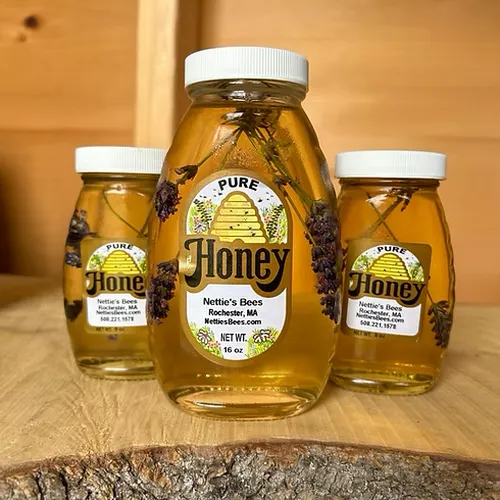
The Complete Guide to Raw Honey Varieties by Floral Source
By Nerija "Nettie" Kupryte-Hopkins · · Updated
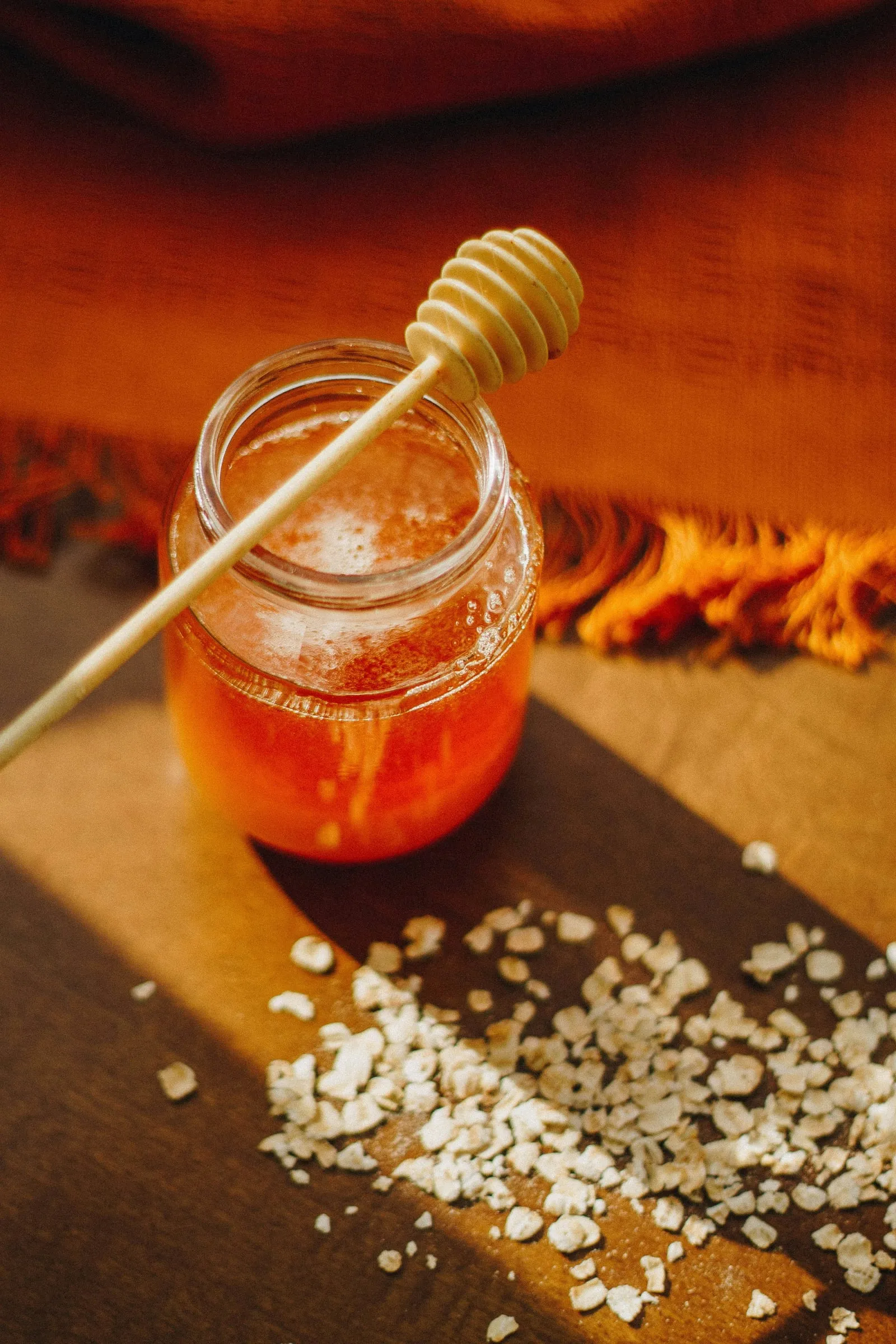
Have you ever noticed how one jar of raw honey can look and taste completely different from another? The golden liquid in your pantry isn’t just a one-note sweetener—it’s a complex natural product that varies dramatically based on where bees collect their nectar. From pale, delicate acacia to dark, robust buckwheat, each raw honey variety tells the story of specific flowers, seasons, and landscapes.
Quick answer: Honey varieties are named for the flowers the bees mostly visited. Light honeys like acacia, clover and orange blossom are mild; medium honeys like wildflower and berry blossom are fuller; dark honeys like buckwheat and chestnut are bold, malty and higher in antioxidants. A honey counts as monofloral when one plant dominates, usually confirmed by pollen analysis. On the South Coast of Massachusetts, cranberry, blueberry and knotweed honeys are local specialties.
At Nettie’s Bees, we celebrate these natural variations as evidence of honey’s authentic connection to local environments. Understanding these differences enhances your appreciation of this remarkable food and helps you select the perfect honey for your specific culinary and wellness needs.
What do honey variety names mean?
What is the difference between monofloral and wildflower honey?
Monofloral honey derives predominantly from a single flower type. While no honey is ever 100% from one flower source, a honey is classified as monofloral when approximately 45% or more of its nectar comes from one plant species. This creates more consistent color, aroma, and flavor profiles that showcase the distinctive characteristics of that particular flower.
Polyfloral honey (sometimes called wildflower honey) contains nectar from multiple flower sources. These honeys display more complex, layered flavors that can vary significantly between batches. Their characteristics reflect the diverse plant community where the bees forage.
Beekeepers determine a honey’s classification through pollen analysis, strategic hive placement, and sensory evaluation. Truly pure monofloral honeys are relatively rare treasures, requiring abundant single-source flower populations and careful timing by beekeepers to harvest during specific bloom periods.
Do region and season change a honey variety?
Beyond floral source, geography and season significantly influence honey characteristics. This concept of honey “terroir”—similar to wine—means that clover honey from Vermont will differ from clover honey produced in California.
Seasonal patterns also dramatically affect honey profiles. Spring honeys typically feature lighter colors and more delicate flavors, while summer varieties develop deeper amber colors. Fall honeys frequently display the richest, most robust profiles due to late-season blooms like goldenrod and aster.
What are the light honey varieties?
What does clover honey taste like?
Appearance and flavor profile: Light amber to medium gold with a pleasantly mild, floral sweetness. Good clover honey offers a clean taste without overwhelming floral notes—a gentle sweetness that makes it extraordinarily versatile.
Common uses: Clover honey’s balanced, approachable flavor makes it perfect for everyday tea and coffee sweetening, baking, breakfast applications, and as a gentle introduction for those new to raw honey varieties.
Crystallization tendencies: Clover honey is fairly high in glucose, so raw clover honey usually crystallizes within a few weeks to a few months, into fine, smooth crystals.
Why does acacia honey stay liquid?
Origin and characteristics: “Acacia” honey actually comes from black locust (Robinia pseudoacacia), a tree native to the eastern United States that was planted widely across Europe. Hungary and Romania are now famous for it, and some American beekeepers sell it as black locust honey. It features an extraordinarily light, almost transparent pale gold color and remarkably mild flavor with subtle vanilla notes.
Unique properties: Two distinct characteristics make acacia honey special: exceptionally high fructose content that resists crystallization for years, and extremely mild flavor that makes it popular even among those who find other honey varieties too intense.
What is orange blossom honey like?
Visual and taste characteristics: Light amber color with a distinctly fruity aroma and flavor profile. Good orange blossom honey offers noticeable citrus notes—not overwhelmingly “orange” but with a distinct fresh, fruity character.
Pairing suggestions: Orange blossom honey’s light citrus character makes it excellent with dark chocolate, plain yogurt, black tea, and goat cheese.
What are the medium amber honey varieties?
What is wildflower honey?
Unlike monofloral varieties, wildflower honey derives from numerous nectar sources, creating complex flavor profiles that vary dramatically between regions and even between nearby apiaries.
Regional and seasonal variations: Spring wildflower honey typically appears lighter with delicate floral notes, while summer wildflower honey develops more amber depth. Fall wildflower honey often displays the darkest color and most robust flavor due to late-season blooms.
Benefits of local wildflower honey: By containing nectar and pollen from your specific local area, wildflower honey connects you directly to your regional ecosystem. Each jar of our wildflower honey captures the unique character of a specific place and time.
Does berry blossom honey taste like berries?
Berry-producing plants create distinctive honey varieties with medium amber coloration and delicate berry undertones. While not tasting explicitly like the berries themselves, these honey varieties often carry subtle fruit notes within their flavor profiles.
The Pacific Northwest produces some of North America’s finest raspberry and blackberry honey varieties due to the abundance of both cultivated and wild berries.
What are the dark honey varieties?
Why is buckwheat honey so dark?
Distinctive color and flavor profile: Buckwheat honey’s deep brown color—sometimes appearing almost purple-black—signals its bold character. The flavor provides a robust, malty intensity often described as earthy, molasses-like, or occasionally with hints of chocolate or coffee.
Higher mineral and antioxidant content: Research from the USDA and university studies has consistently shown that darker honey varieties contain higher concentrations of minerals and antioxidants. Buckwheat honey particularly stands out, with significantly higher levels of iron, manganese, zinc, and antioxidant compounds.
Traditional uses: It has historically been used as a supportive throat remedy, particularly in Eastern Europe and Russia. Recent research at Penn State University has examined its effectiveness for cough suppression in children (though honey should never be given to infants under 12 months).
What is chestnut honey?
Produced primarily in Italy, France, and other regions with significant chestnut forests, this dark amber honey features unmistakable bitter notes balanced with sweetness. Unlike most honey varieties, chestnut honey intentionally embraces bitterness as part of its complex flavor profile, creating a sophisticated taste experience more akin to fine dark chocolate or espresso.
In Italian cuisine, chestnut honey is traditionally paired with aged sheep’s milk cheeses, drizzled over ricotta with walnuts, or used in marriages of sweet and savory dishes.
What honey varieties come from the South Coast of Massachusetts?
Our corner of New England has a few varieties you won’t find on most supermarket shelves, because they come from the crops and plants around our hives.
- Cranberry honey. Made in June and early July when the bogs bloom. Usually medium amber with a gentle fruity tartness. Read more about cranberry honey.
- Blueberry honey. From highbush blueberry blossoms in May. Light to medium amber, mild and buttery, with no blueberry flavor added. See blueberry honey.
- Summer wildflower. A changing mix of clover, sumac, milkweed and whatever else is blooming.
- Japanese knotweed honey. From an invasive plant that blooms in late summer. Dark and rich, often compared to a milder buckwheat. See knotweed honey.
What are some rare honey varieties?
What is sourwood honey?
Sourwood honey comes exclusively from the sourwood tree, which grows primarily in the southern Appalachian Mountains. Often described as having notes of caramel, anise and spice with a pleasant lingering aftertaste, it is prized by honey judges and hard to find outside the region.
Beyond its remarkable flavor, sourwood honey represents a genuine American terroir product—a taste experience uniquely tied to a specific place and cultural tradition.
Why doesn’t tupelo honey crystallize?
True tupelo honey comes from white tupelo gum trees that grow in the river swamps of northwestern Florida and southern Georgia. With an unusually high fructose-to-glucose ratio, tupelo honey remains liquid for years without crystallizing.
Good tupelo honey offers a complex sweetness often described as having buttery, floral notes with hints of vanilla or cinnamon. The flavor begins mildly but develops on the palate, with a distinctive finish that lingers pleasantly.
How do you taste different honey varieties?
How should you set up a honey tasting?
For the best tasting experience:
- Use small wooden or plastic spoons to avoid metallic taste influence
- Taste at room temperature when flavors express most fully
- Provide water and plain crackers for palate cleansing
- Arrange varieties from lightest to darkest color
The four steps to honey tasting:
- Look: Assess color, clarity, and viscosity
- Smell: Note the aroma, which often provides significant clues to floral source
- Taste: Allow honey to coat your tongue, noting initial flavor and any distinct notes
- Finish: Pay attention to how the flavor develops and lingers after swallowing
What foods pair with each honey?
Light honeys pair well with mild cheeses, plain yogurt, and simple butter cookies.
Medium honeys complement aged cheeses like manchego, whole grain bread, and Greek yogurt with nuts.
Dark honeys stand up to blue cheese, aged pecorino, dark chocolate, and rich desserts.
Unexpected combinations worth trying include buckwheat honey in coffee, orange blossom honey with spicy foods, and medium amber honey varieties in vinaigrettes for bitter greens.
Which honey variety should you use for what?
Which honey is best for cooking and baking?
The specific characteristics of different honey varieties make them suited to particular culinary uses:
Baking: Lighter varieties work best when you want honey’s moisture-retaining properties without overwhelming flavor, while darker varieties shine in spice cakes or whole grain recipes.
Beverages: Delicate teas pair beautifully with light honey varieties, while coffee takes beautifully to darker, more robust honey varieties.
Salad dressings and marinades: Light, fruity honey varieties add bright notes to vinaigrettes, while darker varieties create complex marinades for poultry or pork.
Are some honey varieties healthier?
While all honey varieties offer common properties, traditional and emerging understanding suggests some distinctions:
Antioxidant levels: A 2002 University of Illinois study (Gheldof and Engeseth, Journal of Agricultural and Food Chemistry) found darker honeys had up to 20 times the antioxidant capacity of the lightest ones.
Seasonal considerations: Local seasonal honey contains pollen from your region’s plants. Many people eat it hoping it will ease seasonal allergies, though studies haven’t shown a reliable effect.
How does Nettie’s Bees keep each variety distinct?
At Nettie’s Bees, preserving the authentic character of each honey variety stands at the core of our approach:
- We extract honey at ambient temperatures, never heating it above natural hive temperature
- We filter only minimally to remove large particles while retaining beneficial pollen and enzymes
- We avoid blending different honey batches, preserving each harvest’s unique characteristics
- We harvest throughout the flowering season to capture distinct seasonal varieties
- We work with beekeepers who specialize in specific varieties and understand their unique requirements
- Each jar identifies the specific beekeeper responsible for that honey’s production
Frequently asked questions
What is the best honey variety?
There isn’t one best honey, only the best for a use. Mild clover or acacia suits tea and baking where honey shouldn’t dominate. Bold buckwheat or chestnut stands up to strong cheese and coffee. Local wildflower is the best way to taste your own region.
Which honey is the healthiest?
Darker honeys like buckwheat usually contain the most antioxidants and minerals, and buckwheat was the honey used in the best-known cough study. Differences between varieties are modest; raw versus heavily processed matters as much.
Which honey does not crystallize?
Honeys high in fructose, like acacia (black locust) and tupelo, can stay liquid for years. Most other raw honeys crystallize eventually, which is normal.
Is wildflower honey better than clover honey?
Not better, just different. Clover honey is mild and consistent. Wildflower honey changes with the season and place, so it has more character. See our wildflower vs clover honey comparison.
Sources
- Gheldof N, Engeseth NJ. “Antioxidant capacity of honeys from various floral sources.” Journal of Agricultural and Food Chemistry, 2002. PubMed
- National Honey Board, honey varietals guide.
- Paul IM et al. Archives of Pediatrics & Adolescent Medicine, 2007. PubMed
Conclusion
The remarkable diversity of raw honey varieties offers a fascinating window into the intricate relationship between bees, flowers, and local environments. From pale, delicate acacia to deep, robust buckwheat, each variety tells a unique story of specific places, seasons, and floral communities.
We encourage you to explore this diversity by sampling different varieties, each new honey experience expanding your understanding of this remarkable natural food.
Remember that honey varieties don’t just represent different flavors—they embody the essential connection between honeybees and the ecosystems they pollinate. By choosing raw, minimally processed honey from responsible sources, you support not only beekeepers but also the critical ecological services that honeybees provide.