Why Do Bees Fly on Warm Winter Days?
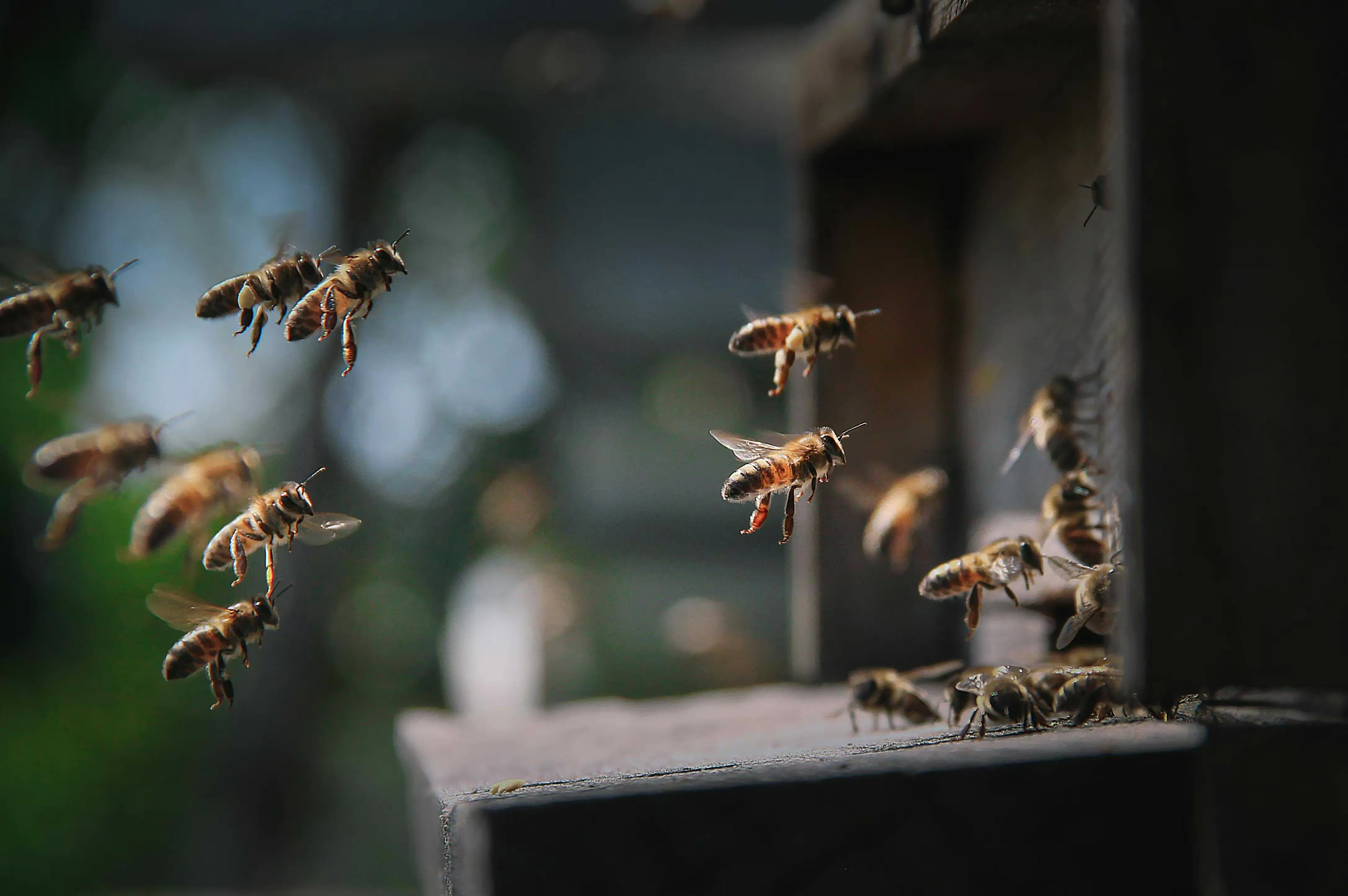
For weeks the hive has looked dead. No bees at the entrance, snow on the lid, not a sound unless you put your ear to the box. Then a sunny afternoon creeps into the 50s, and suddenly the air in front of the hive is full of bees, circling and looping, and the snow below is speckled with little yellow dots.
Quick answer: Bees fly on warm winter days mostly to take cleansing flights. Honeybees won’t relieve themselves inside the hive, so all winter they hold their waste until a day warm enough to fly, usually about 50°F or more with sun and little wind. They also carry out dead bees and sometimes look for water or early pollen. A busy entrance on a mild day is usually a sign the colony is alive.
What are bees doing when they fly in winter?
Mostly, going to the bathroom. On a mild winter day, bees leave the hive for short “cleansing flights” to empty their guts, then go straight back to the cluster.
Honeybees keep a clean house. They don’t defecate inside the hive if they can help it, so through a cold stretch they hold their waste for weeks at a time while they eat their stored honey. When the weather finally lets them out, many go at once. That’s why a warm winter day can look like a swarm in front of the hive, and why snow near the entrance ends up dotted yellow and brown.
Cleansing isn’t the only job. On the same day you may see:
- Undertaker bees dragging dead bees out and dropping them on the snow. A colony loses bees all winter, and the bodies pile up inside until it’s warm enough to clear them.
- Orientation loops, as bees that haven’t flown in weeks circle to fix the hive’s location before heading out.
- A few foragers heading farther afield. In a 2021 study in Maine, published in the Journal of the Kansas Entomological Society, University of Maine entomologist Frank Drummond watched the first big winter cleansing flight in an apiary on February 6 and found evidence that these flights mix two behaviors: dropping waste close to the hive and longer foraging trips.
How warm does it have to be for bees to fly?
About 50°F is the usual line, though sun and wind matter as much as the thermometer. Below roughly 50°F, honeybees stay in their winter cluster, and above it they can leave the hive briefly to relieve themselves, as Britannica puts it. The University of Maine Cooperative Extension’s honeybee flight model uses 54°F as the minimum temperature for flight.
Here’s roughly what a beekeeper sees at the entrance as a winter day warms up:
| Outside temperature | What the hive is doing |
|---|---|
| Below about 50°F | Bees stay clustered inside. The entrance is quiet. |
| About 50 to 55°F, sunny and calm | Short cleansing flights close to the hive. Dead bees get carried out. |
| Mid-50s and up, sunny | Busier flights, more orientation loops, and some bees range farther for water or early pollen. |
A sunny, sheltered hive can get going a few degrees cooler than the forecast suggests, because the sun warms the boxes and the entrance. The reverse is true too. A cold wind can keep bees in on a 55-degree day.
Why are there dead bees on the snow?
Some dead bees on the snow are normal. A colony loses old bees steadily all winter, and warm days are when the undertakers clear out the bodies. A few fliers also get too cold out on the snow and don’t make it home.
A scatter of bees in front of the hive after a flying day isn’t a problem. A thick carpet of bees, or dead bees with no live ones coming and going, is worth a closer look.
What does a warm winter day tell a beekeeper?
Mostly good news. Bees streaming out of the entrance on a mild day means there’s a living cluster inside. If you keep more than one hive and one stays silent while its neighbors are flying, that quiet hive is the one to check.
Our beekeeping calendar has the full list of winter jobs, but a warm day is the time to:
- Watch the entrance. Flying bees are the easiest sign of a live colony, and you learn it without opening anything.
- Heft the hive. Tip the back of the hive up an inch to feel its weight. A light hive in January is in danger of running out of honey before spring.
- Clear the entrance. Brush away snow and dead bees so air and bees can move.
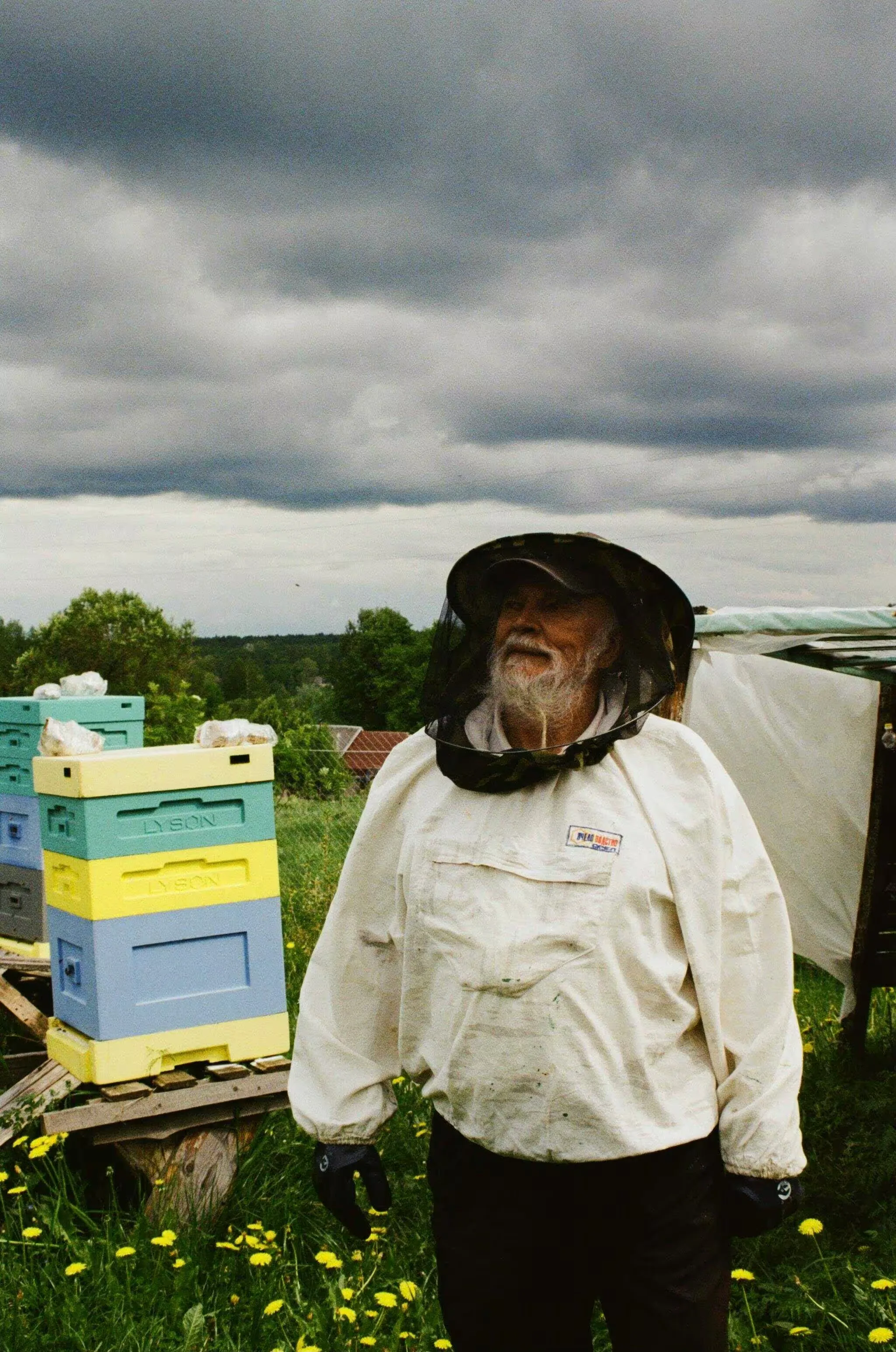
- Take only a quick look. If you need to check food, lift the lid briefly on a calm day in the 50s and close it fast. Full inspections wait for warmer weather, because opening the hive lets out the heat the cluster has worked to make.
When should bees flying in winter worry you?
When the signs point to sickness instead of a bathroom break. Brown streaks and smears on the front of the hive, the landing board or inside on the combs can mean dysentery. The USDA’s Bee Research Laboratory lists excreta on combs and landing boards among the possible signs of Nosema, a gut parasite of honeybees, though it notes the same signs can have other causes.
Long cold spells make it worse. When bees can’t fly, waste builds up inside, and the USDA notes that Nosema spores can stay viable for months in dried excreta on the combs, where house bees pick them up while cleaning. Once regular flights resume in spring, bees void outside again and infection usually falls. The USDA calls a microscope check of the bees the only reliable test for Nosema, so if you see heavy streaking, ask an experienced beekeeper or your local club for help instead of guessing.
Do bees fly in winter on the South Coast of Massachusetts?
Yes, on the occasional mild, sunny day. Here in Rochester, most winter days are too cold for the bees, so a flying day stands out. The first big cleansing flights of late winter often come in February or March, sometimes with snow still on the ground, and steady foraging only picks up when red maple and willow bloom. We cover that changeover in how bees prepare for spring.
Out on the bogs, it’s a quiet season for everyone. The cranberry bogs are flooded and iced over until mid-March, and the bees that pollinated them in June are packed into their clusters, waiting for a day like this.
Frequently asked questions
Is it normal for bees to fly in January?
Yes. On a sunny January day around 50°F or warmer, honeybees take short cleansing flights to relieve themselves and carry out dead bees. It’s a normal, healthy behavior and usually a sign the colony is alive. They aren’t finding nectar this time of year; the hive is still living on stored honey.
What is a cleansing flight?
A cleansing flight is a short trip honeybees take on a warm day to empty their guts. Bees won’t defecate inside the hive, so in winter they hold their waste until it’s warm enough to fly, usually about 50°F or more. The yellow or brown spots you see on snow near a hive afterward are from these flights.
Why are there yellow spots on the snow near my beehive?
They’re bee droppings from cleansing flights. After weeks inside, bees fly out on a mild day and relieve themselves near the hive, and snow shows every dot. Yellow spots are normal. Heavy brown streaks on the hive itself, or on the combs inside, can point to dysentery and are worth a closer look.
Should you open a beehive on a warm winter day?
Only briefly, if at all. On a calm, sunny day in the 50s you can lift the lid to check whether the cluster is near its honey and add emergency food if it’s light, then close it quickly. Save full inspections for spring, because pulling frames lets out heat the cluster needs.
Do bees make honey in winter?
No. In New England almost nothing blooms in winter, so bees aren’t collecting nectar or making honey. They live on the honey they stored over summer and fall, kept warm in a tight cluster. Read more in what bees do in winter.
Next time a winter thaw sends bees spilling out of a hive, you’ll know what you’re looking at: a colony taking a well-earned bathroom break and getting ready for spring. If you’re thinking about keeping bees yourself, our beekeeping for beginners guide is a good place to start.
Sources
- Drummond, F. “Honey Bee Cleansing Flights…Just Cleansing?” Journal of the Kansas Entomological Society 94(2), 2021. First major winter cleansing flight observed in a Maine apiary on February 6, 2021; evidence of both local waste deposition and longer foraging. bioone.org
- Encyclopaedia Britannica. “Where Do Honeybees Go in the Winter?” Clustering below about 50°F and leaving the hive to relieve waste above it. britannica.com
- University of Maine Cooperative Extension. “Background: Honeybee Flight Activity Index.” Minimum flight temperature of 54°F used in the model. extension.umaine.edu
- USDA Agricultural Research Service, Bee Research Laboratory. “Nosema Disease.” Spores viable for months in dried excreta; excreta voided outside once regular flights resume; excreta on combs or landing boards as a possible sign; microscopic examination as the only reliable test. ars.usda.gov